 admin
The Birthplace of Urban Civilization in South Asia
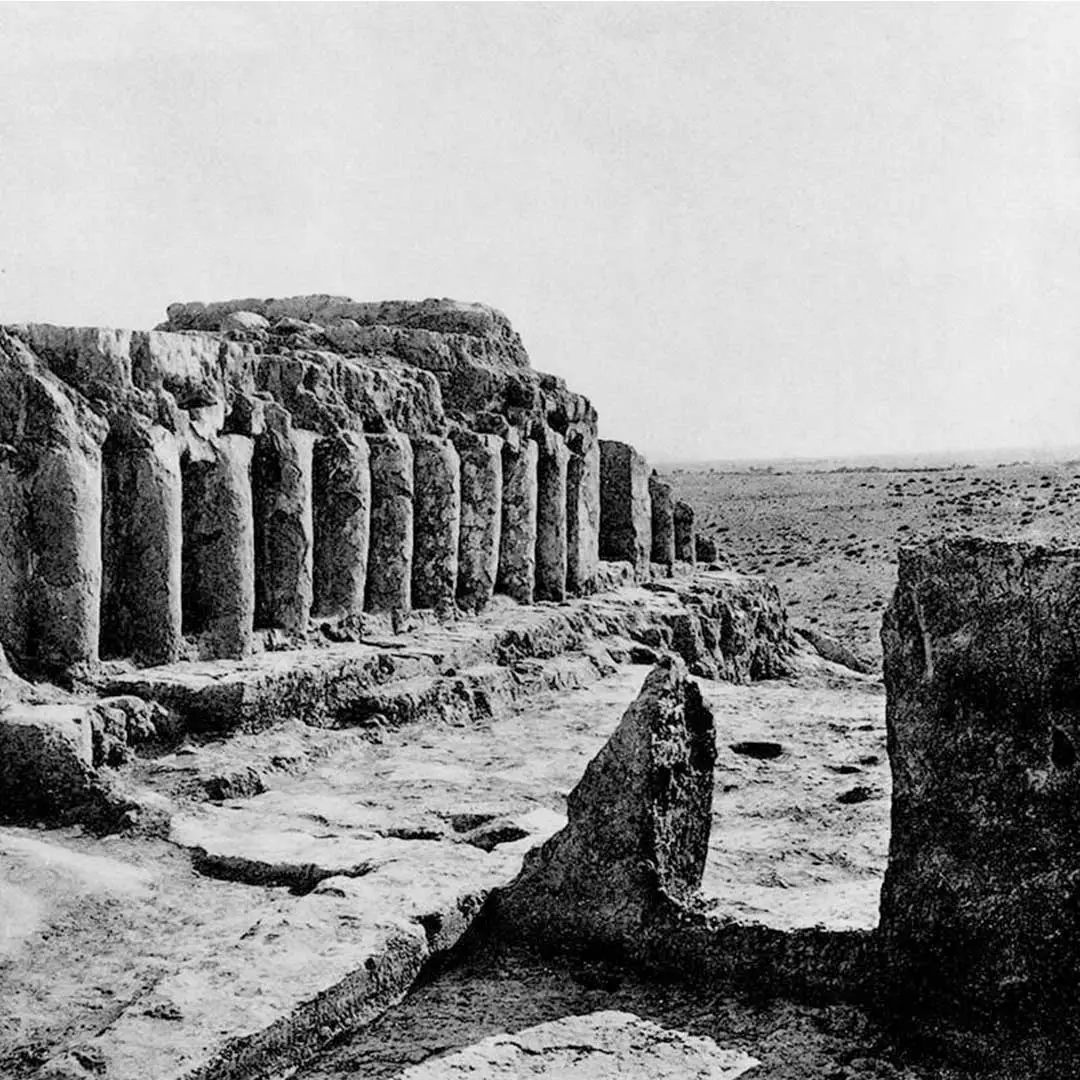
Mohenjo-daro and Harappa are two of the most significant archaeological sites in South Asia, offering a window into the life and culture of the Indus Valley Civilization—one of the world’s oldest urban civilizations. Flourishing around 2600 BCE to 1900 BCE in present-day Pakistan, these cities reflect a highly advanced society that excelled in urban planning, architecture, and sanitation. Their discovery in the 20th century transformed global understanding of early human development in the Indian subcontinent.
These ancient cities were part of a vast civilization that extended along the Indus River and its tributaries. Mohenjo-daro, located in the Sindh province, and Harappa, situated in Punjab, reveal striking similarities in layout and construction, suggesting a well-organized system of governance and communication.
Urban Planning and Technological Brilliance
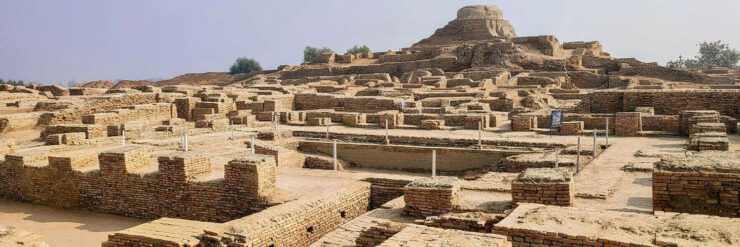
One of the most remarkable aspects of Mohenjo-daro and Harappa is their sophisticated infrastructure. Both cities were laid out in a grid pattern, with wide streets, residential blocks, public wells, and advanced drainage systems that rival those in much later civilizations. Mohenjo-daro’s Great Bath, a large public water tank, is believed to have had ritualistic or communal significance and demonstrates early examples of civil engineering.
Buildings were constructed using standardized baked bricks, and homes often included private wells and toilets—an indicator of both technological innovation and concern for hygiene. Granaries, warehouses, and public meeting spaces point to complex economic and administrative systems within the cities.
Archaeological Importance and Cultural Legacy
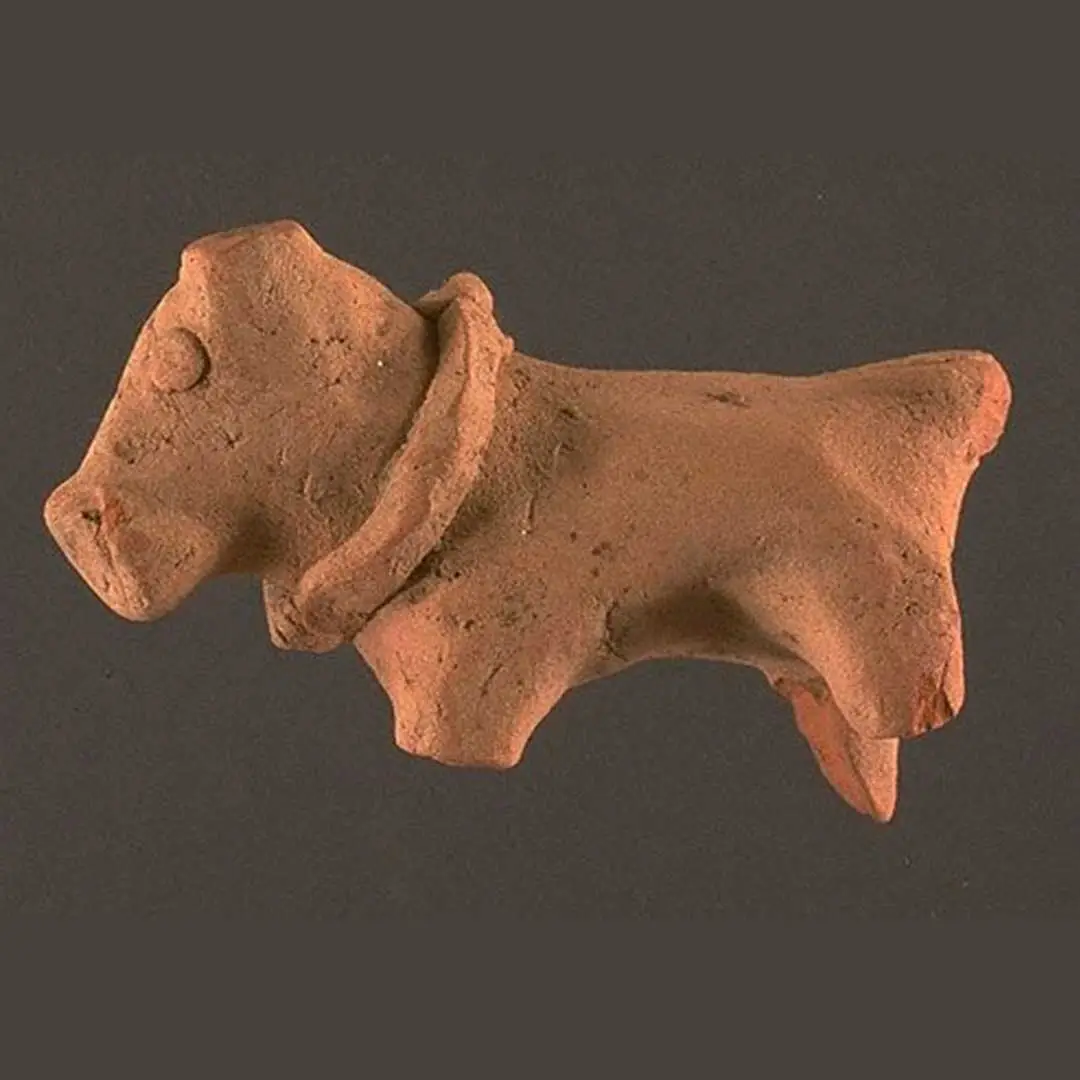
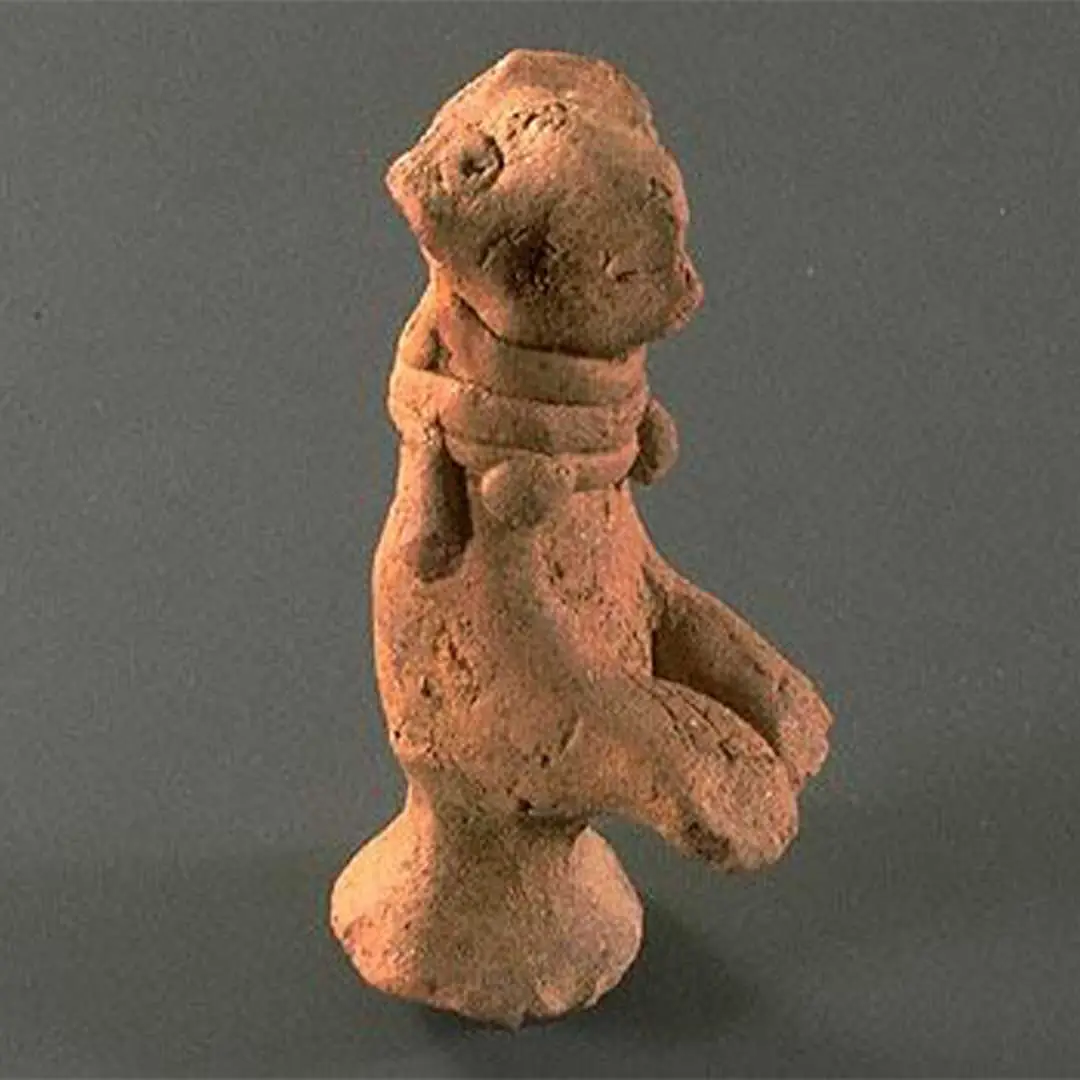
The archaeological discovery of Mohenjo-daro and Harappa in the 1920s marked a major breakthrough in understanding prehistoric South Asia. Excavations unearthed thousands of artifacts, including pottery, tools, seals, and ornaments, many of which are now displayed in museums around the world. The famous dancing girl statue and the priest-king bust from Mohenjo-daro are celebrated examples of Indus Valley art and craftsmanship.
One of the ongoing mysteries is the Indus script, found on numerous seals and tablets. Despite decades of study, this ancient writing system has yet to be deciphered, leaving many questions about the civilization's language, governance, and religion unanswered. Nevertheless, these sites continue to be a focal point for archaeologists and historians exploring the early roots of urban life and trade in ancient Asia.
Mohenjo-daro and Harappa Today
Today, Mohenjo-daro and Harappa are recognized as UNESCO World Heritage Sites and remain vital symbols of Pakistan's archaeological heritage. Efforts are ongoing to preserve the ruins, which are threatened by environmental degradation and modern development. These ancient cities attract scholars, tourists, and history enthusiasts interested in discovering the early achievements of human civilization.
As centers of early innovation, Mohenjo-daro and Harappa continue to influence how we view ancient societies, reminding us of the complexity and diversity of human history. They are true archaeological treasures of the ancient world.