 admin
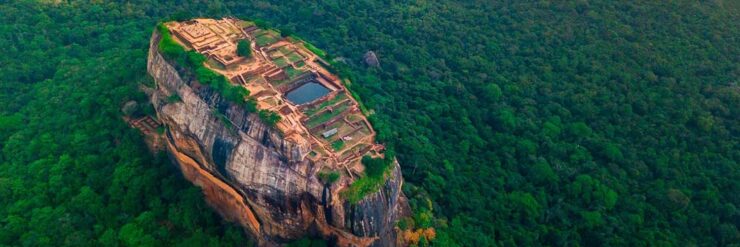
Sigiriya, often called the Lion Rock, is one of Sri Lanka’s most iconic archaeological sites, rising dramatically 200 meters above the surrounding plains of the Central Province. Recognized as a UNESCO World Heritage Site, Sigiriya represents a unique blend of natural beauty, ancient urban planning, and artistic brilliance. This ancient rock fortress, built during the reign of King Kashyapa I (477–495 AD), stands as a testament to Sri Lanka’s rich cultural and architectural heritage.
Located near the historic city of Dambulla, Sigiriya is more than just a monumental rock. It served as a royal citadel, complete with elaborate gardens, water systems, palaces, and frescoes. The site showcases the advanced engineering and urban design of ancient Sri Lankan civilization, making it a significant subject of study in world archaeology.
The History and Legend of Sigiriya: From Fortress to Ancient Royal Palace
According to historical records and local legends, King Kashyapa chose Sigiriya as his royal capital after seizing the throne. Seeking protection and a symbol of his power, he transformed the massive granite rock into an impregnable fortress and a luxurious palace complex. The name Sigiriya, derived from "Sinhagiri" or "Lion Rock," references the enormous lion-shaped gateway that once stood at the entrance to the summit.
The architectural brilliance of Sigiriya is evident in its symmetrical royal gardens, sophisticated water management systems, and advanced defensive structures. The mirror wall, once polished to reflect the king's image, and the famous Sigiriya frescoes, depicting celestial maidens known as "Apsaras," are highlights of the site. These frescoes are considered masterpieces of ancient Sri Lankan art, rivaling the world’s greatest cave paintings in beauty and preservation.
Sigiriya's Importance in Archaeology and Cultural Tourism
For archaeologists, Sigiriya is a vital source of information about ancient Sri Lankan urban planning, art, and hydraulic engineering. The site's unique combination of natural rock formations and human-made structures demonstrates the harmonious integration of architecture with the environment. Sigiriya’s advanced water gardens, fountains, and moats reveal the ingenuity of early Sinhalese engineers, making it one of the best-preserved examples of ancient landscape architecture in Asia.
Today, Sigiriya is a major cultural tourism destination in Sri Lanka, attracting visitors from around the world who come to marvel at its historic significance and breathtaking views. Climbing to the summit rewards visitors with panoramic vistas of the lush Sri Lankan countryside and a profound sense of connection to the island’s ancient past.
As one of the most celebrated archaeological landmarks in Sri Lanka’s Cultural Triangle, Sigiriya continues to play a vital role in promoting heritage tourism and global appreciation of Sri Lanka’s ancient civilization.
The Enduring Legacy of Sigiriya in World Archaeology
The story of Sigiriya is not just about a king’s fortress but about the artistic and technological achievements of an ancient society. Its preservation and recognition as a UNESCO World Heritage Site ensure that future generations can experience this remarkable symbol of Sri Lanka’s cultural legacy. Sigiriya stands proudly as a jewel of archaeological heritage in Sri Lanka, a living monument that connects the past with the present.