 admin
Chichen Itza, located in the Yucatán Peninsula of Mexico, is one of the most renowned archaeological sites in the world, showcasing the remarkable achievements of the ancient Maya civilization. Established around the 6th century AD, Chichen Itza served as a major political, religious, and economic center, influencing much of the northern Maya lowlands.
This vast ancient city reflects the Maya’s advanced understanding of astronomy, architecture, and urban planning. The blending of Maya and Toltec influences is evident throughout the site, particularly in the art and structures that symbolize the city's diverse cultural heritage. Today, Chichen Itza is celebrated not only for its historical importance but also as a symbol of Mexico’s rich archaeological legacy.
Recognized as a UNESCO World Heritage Site in 1988 and voted one of the New Seven Wonders of the World, Chichen Itza continues to attract millions of visitors and researchers each year, making it a cornerstone of archaeological tourism in Yucatán.
Architectural Marvels of Chichen Itza: The Pyramid of Kukulcán and Beyond
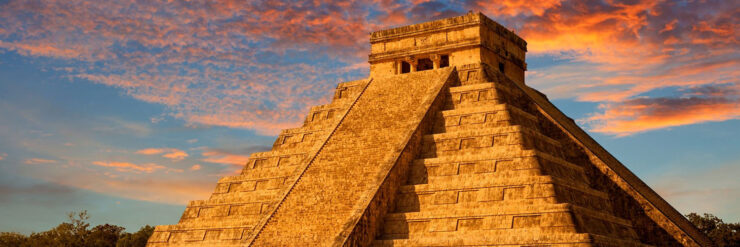
The most iconic structure of Chichen Itza is the Pyramid of Kukulcán, also known as El Castillo. This massive step pyramid stands at the heart of the site and serves as a testament to the Maya's architectural and astronomical expertise. Built with precise alignment to solar events, the pyramid creates a stunning visual phenomenon during the spring and autumn equinoxes, when the shadow of a serpent appears to slither down its steps. This event symbolizes the descent of the feathered serpent deity, Kukulcán, a central figure in Maya mythology.
In addition to El Castillo, Chichen Itza features numerous other significant structures, including the Great Ball Court, the largest and most impressive of its kind in Mesoamerica. Here, ceremonial ball games were held, reflecting both sporting and ritualistic aspects of Maya society. The Temple of the Warriors, adorned with rows of carved columns depicting warriors, highlights the city’s military and religious power.
The Sacred Cenote, a large natural sinkhole, played a crucial role in religious ceremonies and offerings, emphasizing the spiritual significance of water in Maya cosmology. These architectural and ceremonial features collectively illustrate the complexity and richness of Chichen Itza's archaeological heritage.
Chichen Itza’s Role in World Archaeology and Cultural Tourism
As one of Mexico’s most important archaeological sites, Chichen Itza is pivotal for understanding the social, religious, and political dynamics of the ancient Maya civilization. Ongoing excavations and research continue to reveal new insights into the city’s history, from its urban design to its role as a regional power.
For global visitors, Chichen Itza offers a unique opportunity to experience the grandeur of the Maya world, making it a top destination for cultural and heritage tourism in Yucatán. Its preservation is essential for promoting sustainable tourism and educating future generations about the legacy of ancient Mesoamerican cultures.
Through its monumental architecture, advanced knowledge, and enduring cultural impact, Chichen Itza remains a shining example of world archaeology and a source of pride for Mexico’s historical identity.