
 admin
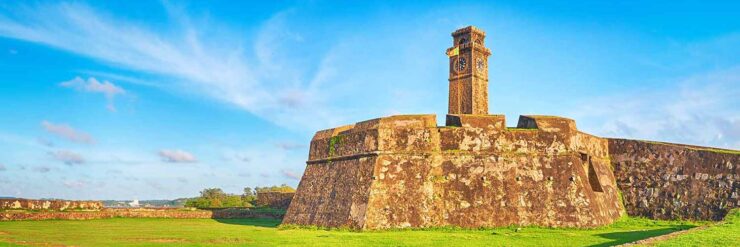
Galle Fort, a UNESCO World Heritage Site located in the heart of Sri Lanka’s southern coast, stands as one of the most iconic colonial landmarks in Asia. Built originally by the Portuguese in 1588 and later fortified by the Dutch in the 17th century, this majestic fort town blends centuries of European influence with Sri Lankan culture. Its preserved ramparts, charming streets, and vibrant community make Galle Fort not just a monument of history, but a living heritage that continues to attract global travelers, historians, and cultural enthusiasts alike
Colonial Roots and Architectural Grandeur
The unique architecture of Galle Fort tells the story of its colonial past. The Dutch and Portuguese left behind a legacy of European-style buildings, churches, and fortifications that still stand strong today. Massive stone walls, arched gateways, and red-tiled roofs create an atmosphere reminiscent of a bygone era. The lighthouse and Dutch Reformed Church are among the many historic structures that showcase the fort’s architectural significance. As visitors walk through its cobblestone streets, they encounter a blend of Baroque and South Asian design elements that reflect centuries of cross-cultural exchange.
A Vibrant Living Heritage Site
Unlike many heritage sites that remain frozen in time, Galle Fort is a thriving neighborhood where locals and tourists coexist. The fort’s narrow alleys are lined with boutique hotels, art galleries, spice shops, and cozy cafés housed within centuries-old buildings. Its bustling environment offers a sensory experience filled with the aroma of Sri Lankan cuisine, the sound of traditional music, and the sight of artists and craftsmen at work. Festivals, cultural events, and community markets often fill the fort with life, ensuring that it remains a dynamic part of Sri Lanka’s cultural fabric.
Preservation and Global Recognition
Galle Fort’s designation as a UNESCO World Heritage Site in 1988 marked a major milestone in its preservation journey. Conservation efforts led by the Sri Lankan government and international partners have helped maintain its historical integrity while adapting to modern needs. Sustainable tourism and responsible development have become key to ensuring the fort remains both protected and accessible. As a result, Galle Fort continues to inspire heritage conservation efforts around the world, serving as a model for integrating historical preservation with contemporary living.








Add comment