 admin
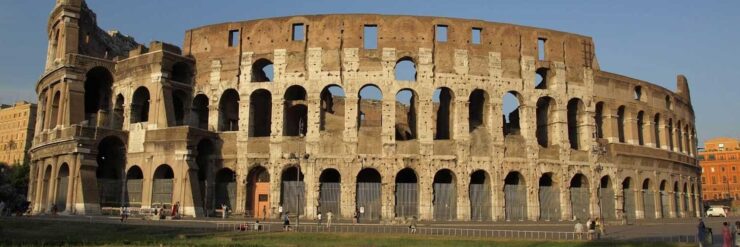
The Colosseum in Rome, also known as the Flavian Amphitheatre, stands as one of the most iconic and enduring symbols of ancient Roman architecture and engineering. Located in the heart of Rome, Italy, this colossal structure was commissioned by Emperor Vespasian of the Flavian dynasty around 70–72 AD and completed in 80 AD under his successor, Titus. Designed to showcase the power and grandeur of the Roman Empire, the Colosseum served as a grand amphitheater for public spectacles, including gladiatorial combats, animal hunts, mock naval battles, and public executions.
With a seating capacity estimated between 50,000 and 80,000 spectators, the Roman Colosseum was the largest amphitheater of its time and remains the largest standing amphitheater in the world today. Its architectural brilliance, featuring complex vaults and concrete construction, reflects the technological advancements of Roman engineering. The elliptical structure, with its multiple levels of arches, has become an architectural masterpiece studied by archaeologists and historians alike.
Architectural Marvels and Cultural Significance of the Roman Colosseum
The Colosseum’s architecture is a testament to the ingenuity of ancient Roman builders. Utilizing a combination of travertine limestone, volcanic rock, and concrete, the amphitheater was constructed with a series of concentric rings and tiered seating, allowing efficient crowd management and excellent visibility from every angle. The use of arches and vaults provided structural stability and facilitated the movement of thousands of spectators.
One of the most fascinating features of the Colosseum in Rome was the hypogeum, an underground network of tunnels and chambers used to house animals, gladiators, and stage machinery. This subterranean area enabled dramatic and surprise entrances during games, enhancing the spectacle for Roman audiences.
Beyond its function as a venue for entertainment, the Roman Colosseum symbolized the might and cultural identity of the Roman Empire. Gladiatorial games were not only popular forms of amusement but also served as displays of power, reinforcing the emperor’s authority and Rome’s dominance. Today, the Colosseum stands as a powerful reminder of the complex relationship between architecture, politics, and public life in ancient Rome.
The Colosseum’s Role in Modern Archaeology and Tourism
As one of the most visited archaeological sites in Italy, the Colosseum attracts millions of tourists annually, contributing significantly to Rome’s cultural tourism industry. Recognized as a UNESCO World Heritage Site, the Colosseum is a symbol of Italy’s rich historical and architectural legacy. Ongoing restoration and conservation projects aim to preserve this ancient monument for future generations, while archaeological studies continue to uncover new insights into Roman construction techniques and urban life.
The Colosseum’s enduring appeal lies in its ability to connect visitors with the grandeur and brutality of ancient Roman civilization. It serves not only as a monument to the past but also as a living testament to human creativity and resilience, maintaining its status as one of the most significant landmarks in world archaeology.