 admin
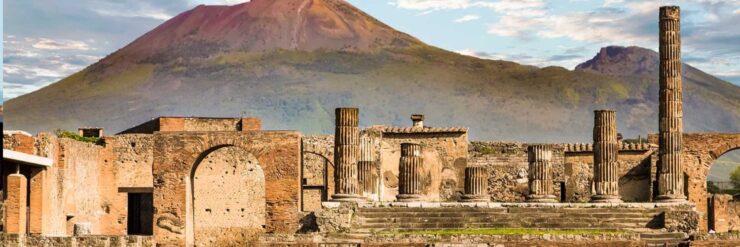
The ancient city of Pompeii, located near modern-day Naples in southern Italy, is one of the most famous and well-preserved archaeological sites in the world. Buried under volcanic ash and pumice after the catastrophic eruption of Mount Vesuvius in 79 AD, Pompeii offers an extraordinary glimpse into daily life during the height of the Roman Empire. This ancient Roman city, frozen in time, has captivated historians, archaeologists, and tourists for centuries, revealing remarkable details about Roman architecture, society, and culture.
The rediscovery of Pompeii in the 18th century marked a turning point in the study of ancient history. Excavations unearthed homes, shops, temples, and public spaces, all remarkably preserved beneath layers of volcanic debris. Unlike many ancient ruins, Pompeii provides a vivid, tangible connection to the past, showcasing the art, engineering, and urban planning of a thriving Roman city.
Life in Pompeii Before the Eruption: A Snapshot of Roman Civilization
Before its sudden destruction, Pompeii was a bustling Roman town, home to an estimated 11,000 to 15,000 residents. It featured grand villas, bathhouses, theaters, marketplaces, and temples, reflecting the prosperity and sophistication of Roman urban life. Frescoes, mosaics, and sculptures adorned the interiors of homes and public buildings, many of which remain intact today, offering valuable insights into Roman aesthetics and daily routines.
The city’s streets were lined with bakeries, taverns, workshops, and brothels, illustrating the vibrancy of Pompeian commerce and social life. The discovery of graffiti on walls further reveals the voices of ordinary citizens, from political slogans to humorous messages, painting a lively picture of ancient Roman society.
The Destruction and Preservation of Pompeii by Mount Vesuvius
The sudden eruption of Mount Vesuvius in 79 AD was a disaster of unimaginable scale. Within hours, a deadly cloud of ash, gas, and rock engulfed Pompeii, burying the city under several meters of volcanic material. Tragically, thousands of residents perished, their final moments preserved in chilling detail by the volcanic ash. Plaster casts made from voids left by decomposed bodies provide haunting evidence of the human cost of the eruption.
Ironically, the same volcanic ash that caused such devastation also preserved Pompeii’s buildings, frescoes, and artifacts with exceptional detail. Today, these remains allow archaeologists to study ancient Roman life with a level of precision rarely found in other historical sites. Pompeii has thus become an invaluable resource for understanding Roman urban life, architecture, and social structures.
The Global Importance of Pompeii in Archaeology and Cultural Heritage
Today, Pompeii is a UNESCO World Heritage Site and one of Italy’s most visited archaeological attractions, drawing millions of tourists each year. Ongoing excavations and conservation efforts continue to reveal new findings, enriching our understanding of the ancient world. Pompeii’s unique preservation makes it an essential site for the study of Roman history and archaeology, offering timeless lessons on the fragility of human civilization in the face of natural disasters.
The story of Pompeii serves as both a scientific treasure and a poignant reminder of nature’s power, ensuring its enduring legacy in world archaeology and global cultural heritage.