 admin
Located in the southern region of Campania, Italy, Paestum is one of the most stunning and best-preserved archaeological sites in Europe. Originally founded by the Greeks around the 6th century BC as Poseidonia, the city later became a thriving Roman settlement. Today, Paestum is world-renowned for its magnificent Doric temples, which stand as remarkable examples of ancient Greek architecture outside of Greece. Designated as a UNESCO World Heritage Site, Paestum is a must-visit destination for history enthusiasts, archaeologists, and cultural travelers exploring ancient Greek ruins in Italy.
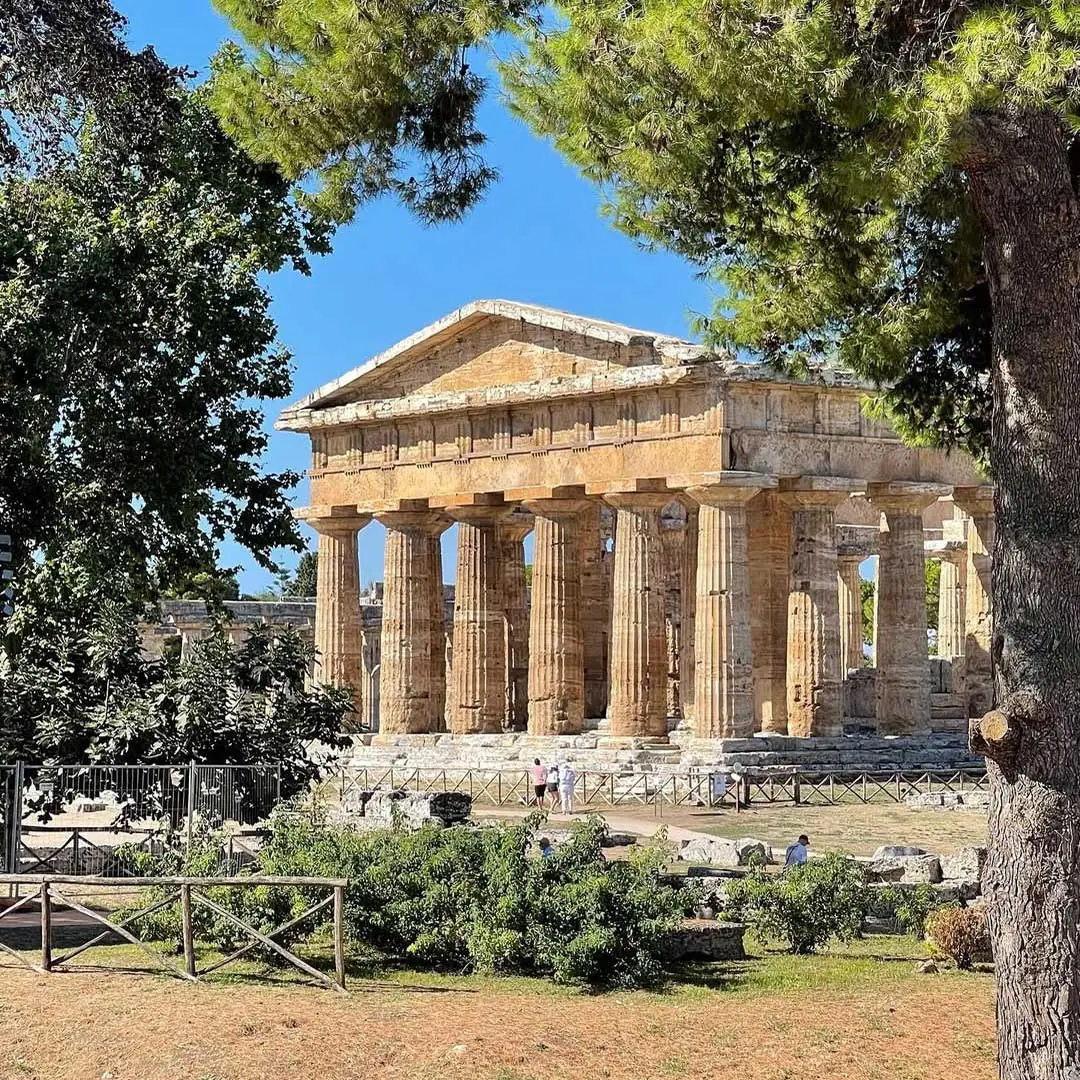
The Temples of Paestum: Monuments of Stone and Time
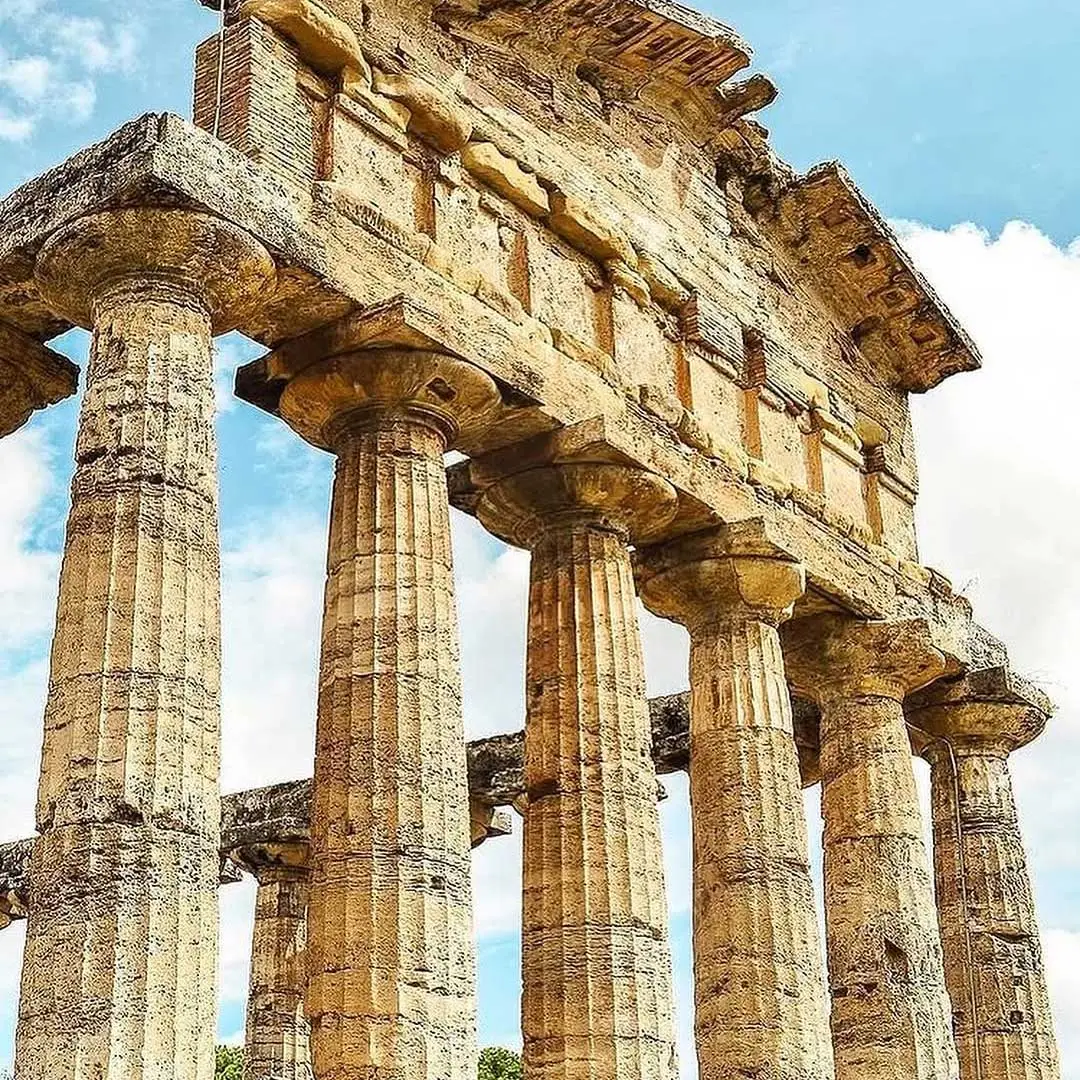
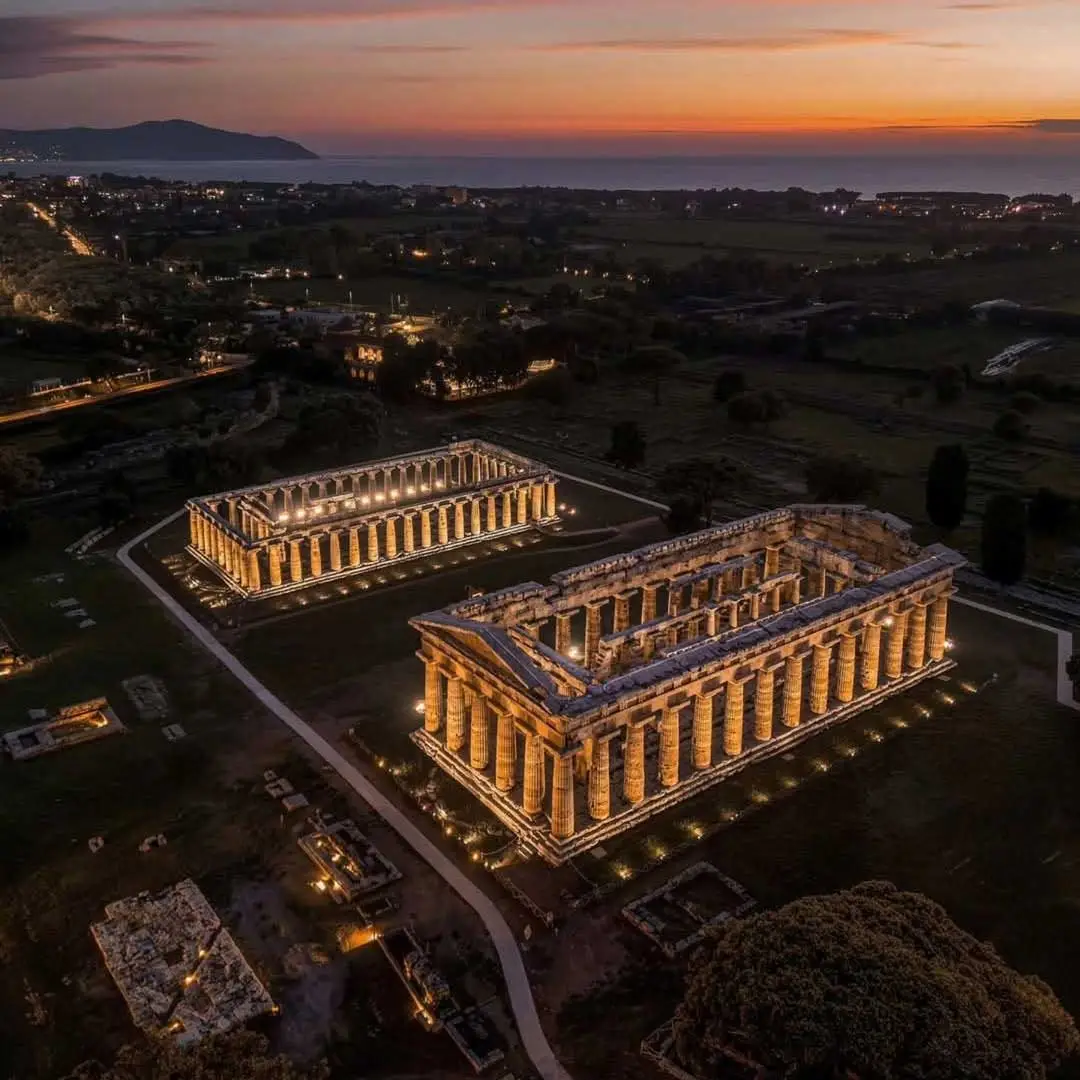
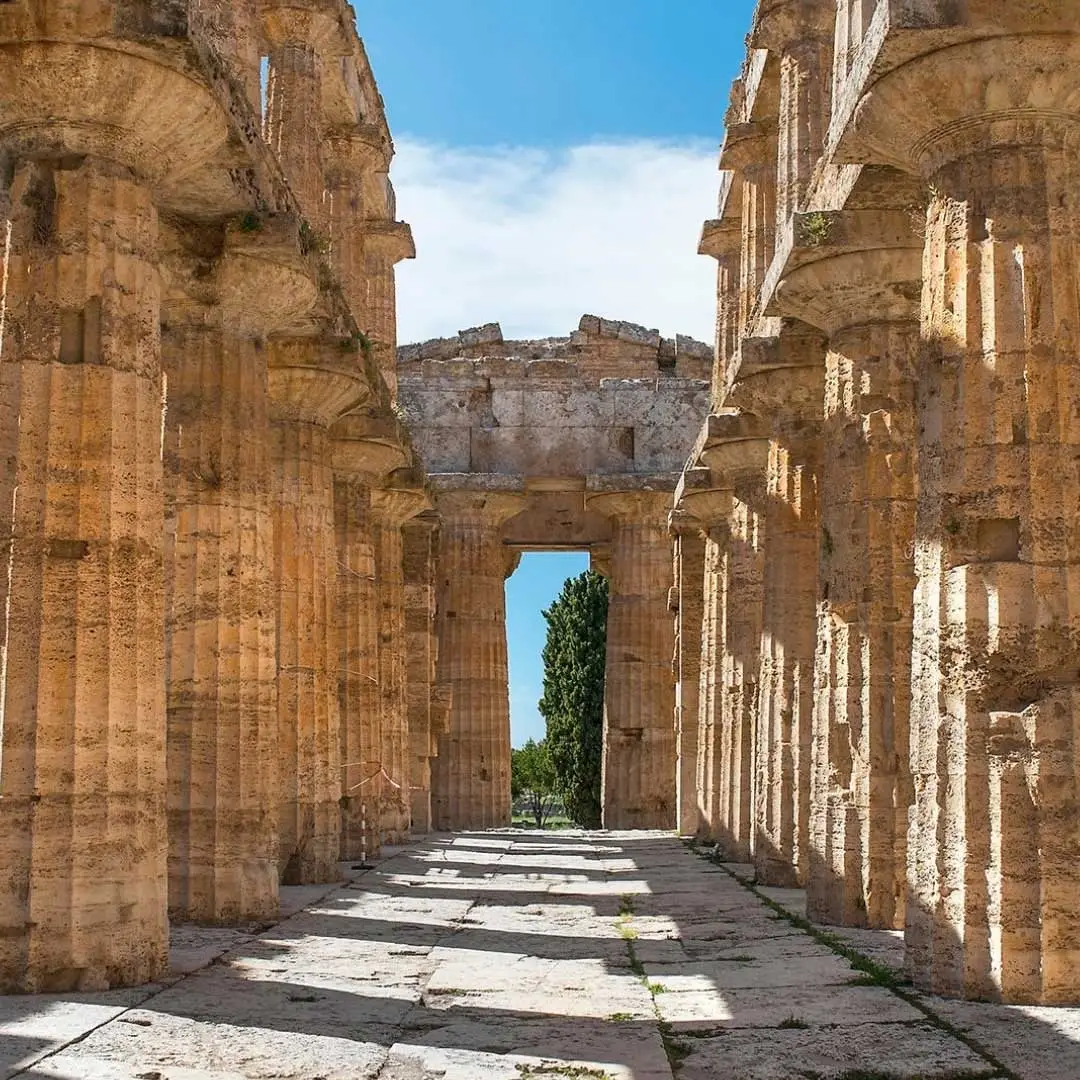
The most iconic feature of Paestum is its trio of ancient Greek temples, which remain incredibly well-preserved despite centuries of exposure. These temples — the Temple of Hera I, Temple of Hera II (often misidentified as the Temple of Neptune), and the Temple of Athena — are admired for their massive stone columns and harmonious proportions. Their preservation has made Paestum a key reference point for understanding early Doric architecture and religious practices in the ancient Greek colonies of Magna Graecia.
Visitors to Paestum are often struck by the scale and majesty of these temples. The site allows people to walk among the ruins and closely observe the architectural details that have withstood the test of time. The temples are particularly atmospheric during sunrise and sunset, when the soft light enhances the texture of the stone and the grandeur of the structures.
Roman Influence and Urban Design
After being conquered by the Romans in the 3rd century BC, Paestum saw the integration of Roman architecture and urban planning into its layout. The city was expanded with a forum, amphitheater, residential areas, and public baths, reflecting the transition from a Greek polis to a Roman town. This fusion of Greek and Roman elements makes Paestum unique among archaeological sites in Italy, offering insights into cultural and political shifts over centuries.
One of the most fascinating discoveries in Paestum is the Tomb of the Diver, a Greek tomb from around 470 BC that contains rare frescoes depicting a young man diving into the sea—a powerful symbol of the passage from life to death. This artwork is considered one of the most important examples of ancient Greek painting in the Western world.
Paestum Today: A Cultural and Archaeological Jewel
Modern visitors can explore the vast archaeological park and the Paestum Archaeological Museum, which houses an impressive collection of artifacts, sculptures, and frescoes unearthed from the site. Paestum's proximity to the Amalfi Coast and Naples makes it a perfect day trip for travelers seeking an authentic journey into antiquity.
As a leading destination in archaeological tourism in Campania, Paestum continues to captivate visitors with its timeless beauty and historical depth. Its combination of Greek elegance and Roman engineering makes it one of the most important and evocative sites in the Mediterranean.