 admin
Anuradhapuraya, known internationally as Anuradhapura, stands as one of the most important archaeological sites in Sri Lanka and South Asia. Once the majestic capital of the ancient Sinhalese Kingdom, Anuradhapura flourished for over a thousand years and remains a symbol of the island’s deep-rooted heritage. Today, it is a UNESCO World Heritage Site celebrated for its well-preserved ruins, towering stupas, sacred monasteries, and timeless irrigation systems. As one of the oldest continuously inhabited cities in the world, Anuradhapura’s historical significance makes it a top destination for travelers, historians, and archaeologists alike.
The Historical Legacy of Anuradhapura
Founded in the 4th century BCE, Anuradhapuraya served as the capital of Sri Lanka until the 11th century CE, playing a vital role in the spread of Buddhism across the region. The city reached its golden age under the rule of King Devanampiyatissa, who embraced Buddhism after the arrival of Mahinda Thera, son of Emperor Ashoka of India. The Sri Maha Bodhi tree, a sacred fig tree believed to be a sapling of the Bodhi tree under which the Buddha attained enlightenment, was planted here and continues to attract Buddhist pilgrims from around the world.
The ancient city was a marvel of early urban planning, featuring advanced hydraulic engineering, including reservoirs (known as wewas) and irrigation systems that supported agriculture and sustained a large population. Its enduring monuments and cultural achievements reflect the spiritual and political power that once radiated from this historic center of Sri Lankan civilization.
Exploring the Archaeological Wonders of Anuradhapuraya
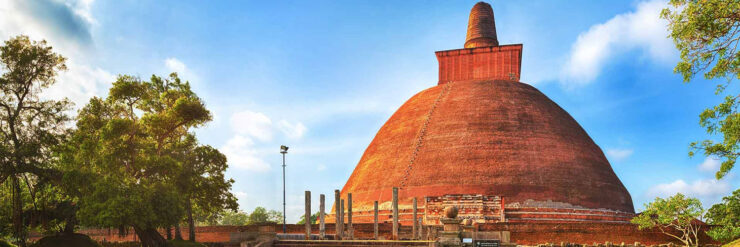
Walking through the archaeological site of Anuradhapura is like stepping into a sacred timeline. Visitors are captivated by the grand dagobas (stupas) such as Ruwanwelisaya, Jetavanaramaya, and Abhayagiri, which stand as monumental examples of ancient Sri Lankan architecture. The Thuparamaya, believed to enshrine the collarbone relic of the Buddha, is considered the oldest stupa in Sri Lanka.
The monastic complexes of Anuradhapura reflect a highly developed religious culture, with temples, meditation halls, and intricately carved moonstones (sandakadapahana) showcasing the artistry and craftsmanship of the time. The stone carvings, bathing ponds, and ceremonial buildings scattered throughout the site illustrate a sophisticated and spiritually driven society.
Anuradhapura Today: A Heritage Destination in Sri Lanka
Today, Anuradhapuraya remains a living city, with religious rituals and pilgrimages continuing in harmony with its archaeological legacy. The site draws thousands of visitors annually, both for its historical importance and its serene spiritual ambiance. As a cornerstone of Sri Lanka’s cultural tourism, Anuradhapura plays a vital role in educating future generations about the country’s heritage.
For those passionate about archaeology, history, and Buddhist culture, Anuradhapura offers a deeply enriching experience. Its timeless beauty and historical depth make it not just a place to visit, but a place to connect with the ancient roots of South Asian civilization.