 admin
Located in the heart of Provence, the Roman Theatre and the Triumphal Arch of Orange are among the most impressive and best-preserved monuments of Roman architecture in Europe. These ancient structures, built during the reign of Emperor Augustus, reflect the grandeur and power of the Roman Empire and are a testament to its cultural and architectural influence in the region. Recognized as a UNESCO World Heritage Site, these historic landmarks continue to draw thousands of visitors each year, offering a rare glimpse into the life and legacy of ancient Roman Gaul.
The Roman Theatre of Orange: A Stage of History
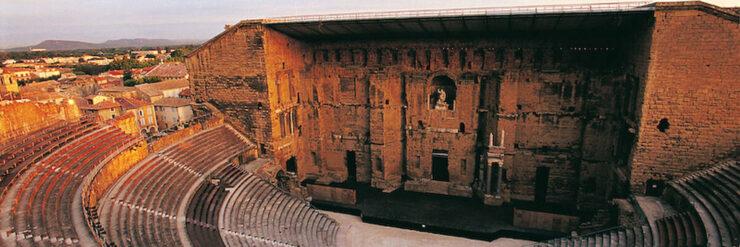
The Roman Theatre of Orange is one of the few surviving Roman theaters with an intact stage wall, making it an exceptional archaeological site. Constructed in the early 1st century AD, the theatre could accommodate around 9,000 spectators and served as a major venue for public entertainment, including drama, music, and poetry. Its immense stage wall, standing over 100 feet high, served both acoustic and decorative purposes, featuring niches, statues, and columns that showcased the architectural sophistication of the Romans.
This theatre was not merely a place of entertainment; it was a cultural center where Roman ideology and imperial propaganda were projected through performances. The structure’s remarkable preservation allows modern-day visitors to experience the grandeur of ancient Roman performance arts. Today, it still hosts events like the Chorégies d'Orange, a famous opera festival that revives the theatre’s original purpose and keeps its legacy alive.
The Triumphal Arch of Orange: A Monument to Roman Victory
Just outside the city stands the Triumphal Arch of Orange, a magnificent Roman monument built to celebrate military victories and honor the veterans of the Roman legions. Dating back to the 1st century AD, the arch is believed to commemorate the founding of the Roman colony and the triumphs of Julius Caesar’s legions. Its detailed reliefs depict scenes of military conquest, naval battles, and Roman soldiers in action—offering valuable historical insight into Roman warfare and symbolism.
This triple-arched structure is a rare example of early Roman triumphal architecture in Gaul. Its strategic location along the Via Agrippa, a major Roman road, made it a prominent and symbolic gateway to the city of Orange. The Triumphal Arch of Orange stands as a powerful reminder of Rome’s dominance and its ability to blend military, political, and artistic expression.
Orange: A Living Roman Legacy in France
Together, the Roman Theatre and the Triumphal Arch of Orange form one of the most important Roman archaeological sites in France. They represent a living connection to the Roman past and offer a window into the empire's presence in Western Europe. As tourism in Roman archaeological destinations continues to grow, Orange remains a must-visit location for history enthusiasts, archaeologists, and cultural travelers seeking to experience ancient Roman heritage up close.