 admin
A Timeless Legacy in the Heart of Sri Lanka
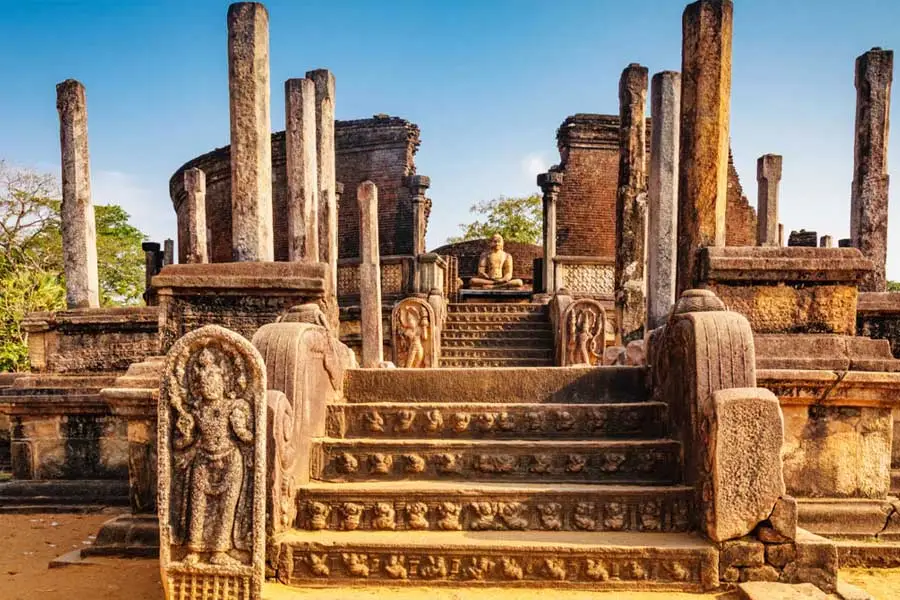
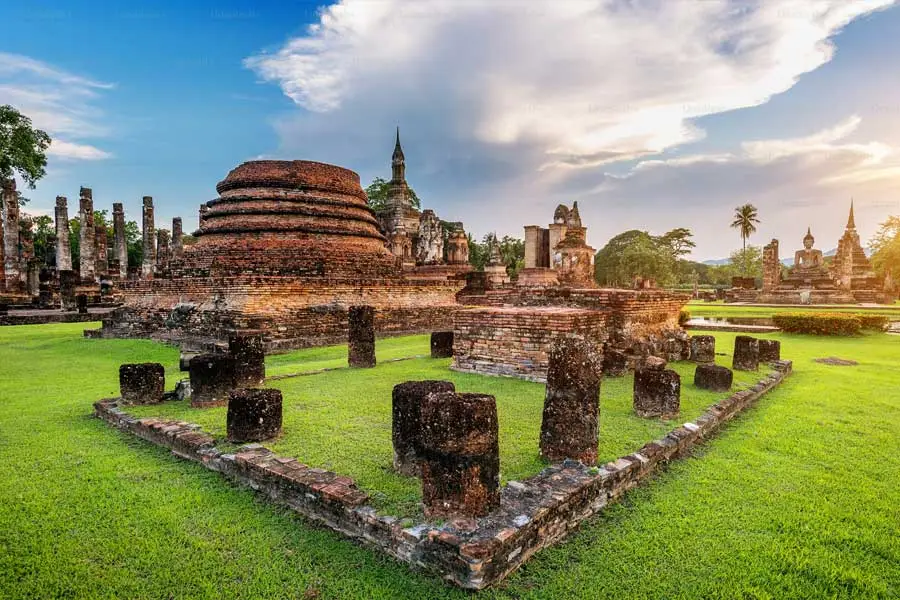
Polonnaruwa, located in the North Central Province of Sri Lanka, stands as one of the island’s most treasured archaeological wonders. Designated a UNESCO World Heritage Site, this ancient city showcases the grandeur of Sri Lanka’s medieval capital, reflecting centuries of sophisticated urban planning, architectural brilliance, and religious devotion. As a well-preserved heritage site, Polonnaruwa attracts archaeologists, historians, and tourists alike, who come to explore its majestic ruins and uncover the stories of a powerful kingdom that once ruled the region.
The ancient city was the second capital of Sri Lanka after the decline of Anuradhapura and flourished under the reign of King Parakramabahu I in the 12th century. Polonnaruwa is especially renowned for its advanced irrigation systems, royal palaces, monumental statues, and sacred Buddhist structures. From the impressive Gal Vihara rock-cut statues to the ruins of the Royal Palace and vast Parakrama Samudra reservoir, every stone in Polonnaruwa whispers of a golden age of Sri Lankan civilization.
Cultural and Spiritual Significance of Polonnaruwa
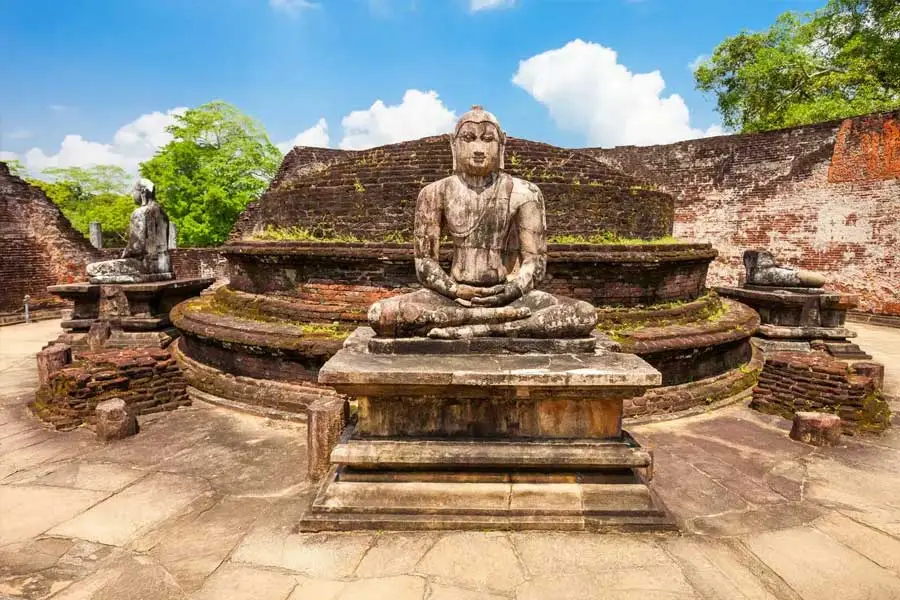
One of the highlights of Polonnaruwa is its deeply rooted Buddhist heritage, represented through its many stupas, image houses, and shrines. The Gal Vihara, a cluster of massive Buddha statues carved from a single granite rock, is an iconic symbol of Sri Lankan art and spirituality. These statues, representing standing, seated, and reclining postures of the Buddha, demonstrate the artistic mastery and religious devotion of the ancient Sinhalese people.
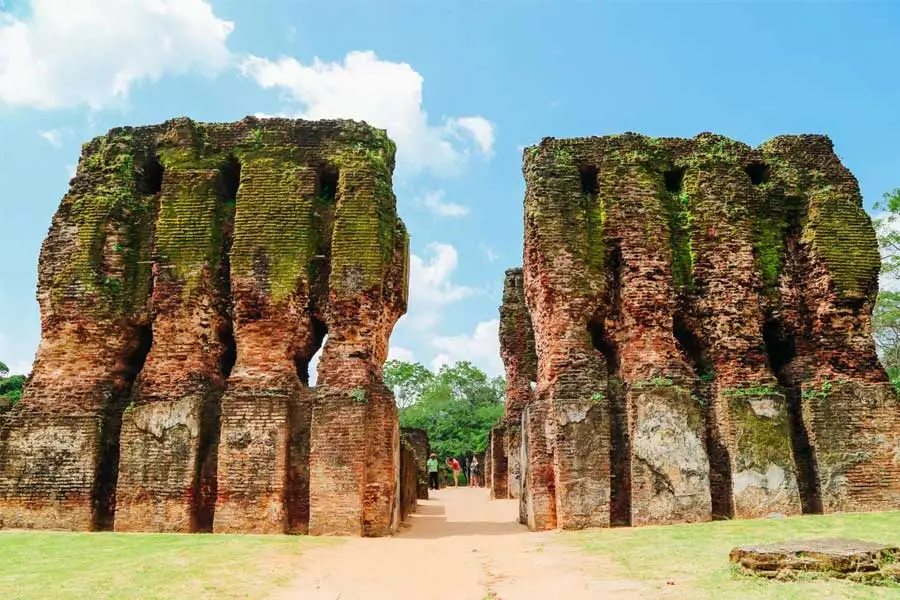
In addition to its religious monuments, Polonnaruwa’s archaeological landscape includes elegant remnants of Hindu temples, royal baths, audience halls, and defensive walls. The city’s urban planning also reflected environmental consciousness, with reservoirs and canals that supported agriculture and sustained the population. These sophisticated engineering feats have fascinated archaeologists and underscore the city's historical importance as a center of innovation and governance.
Today, Polonnaruwa remains one of Sri Lanka’s most popular tourist destinations, offering visitors a unique journey into the past. Walking or cycling through the sprawling site, travelers can marvel at the grandeur of the stone carvings, learn about the island’s ancient monarchs, and experience a living heritage that continues to inspire awe and reverence. As a vital part of Sri Lanka’s cultural tourism, Polonnaruwa is not only a must-visit archaeological site but also a powerful reminder of the island’s enduring legacy in the history of human civilization.