 admin
Monument of Ancient Engineering and Royal Power
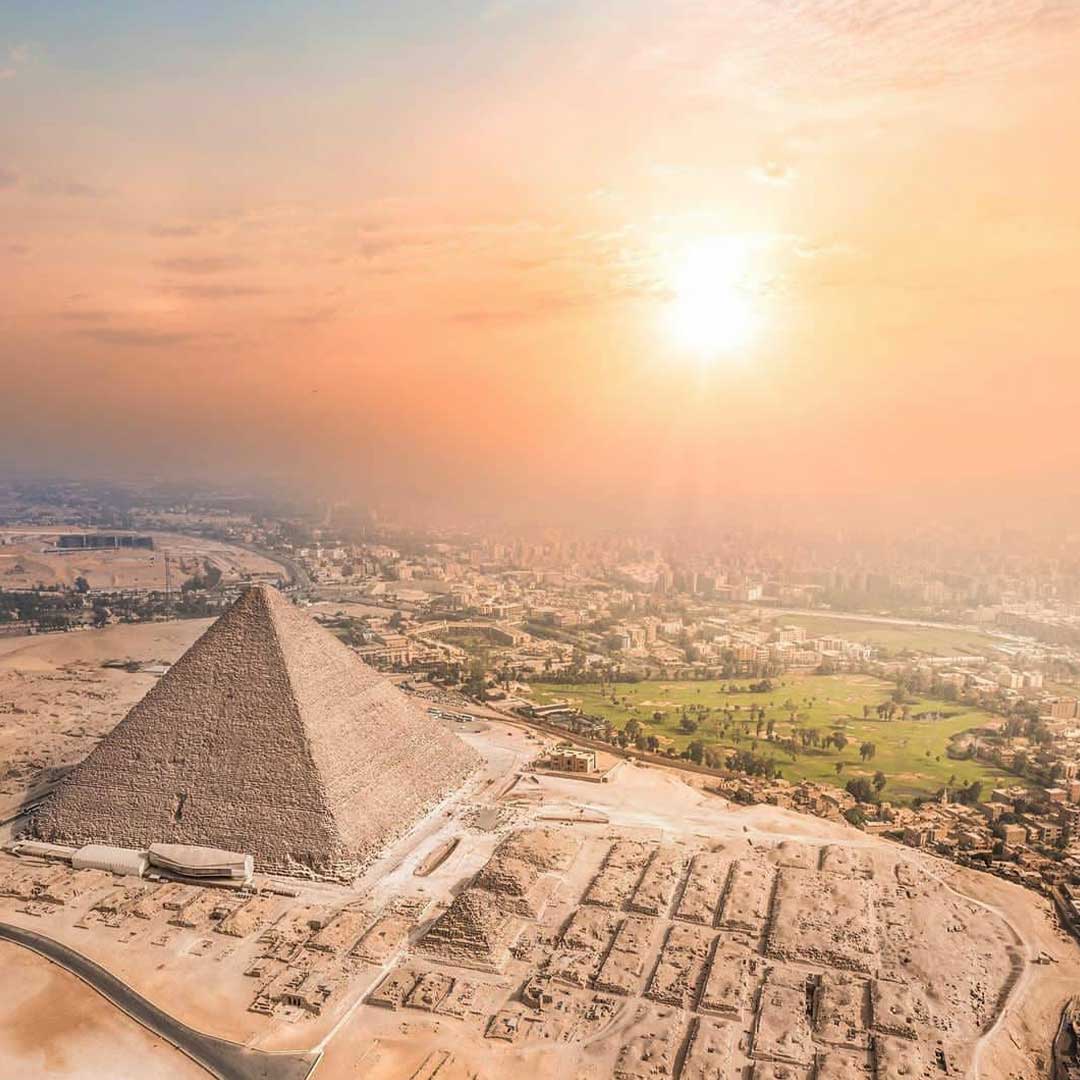
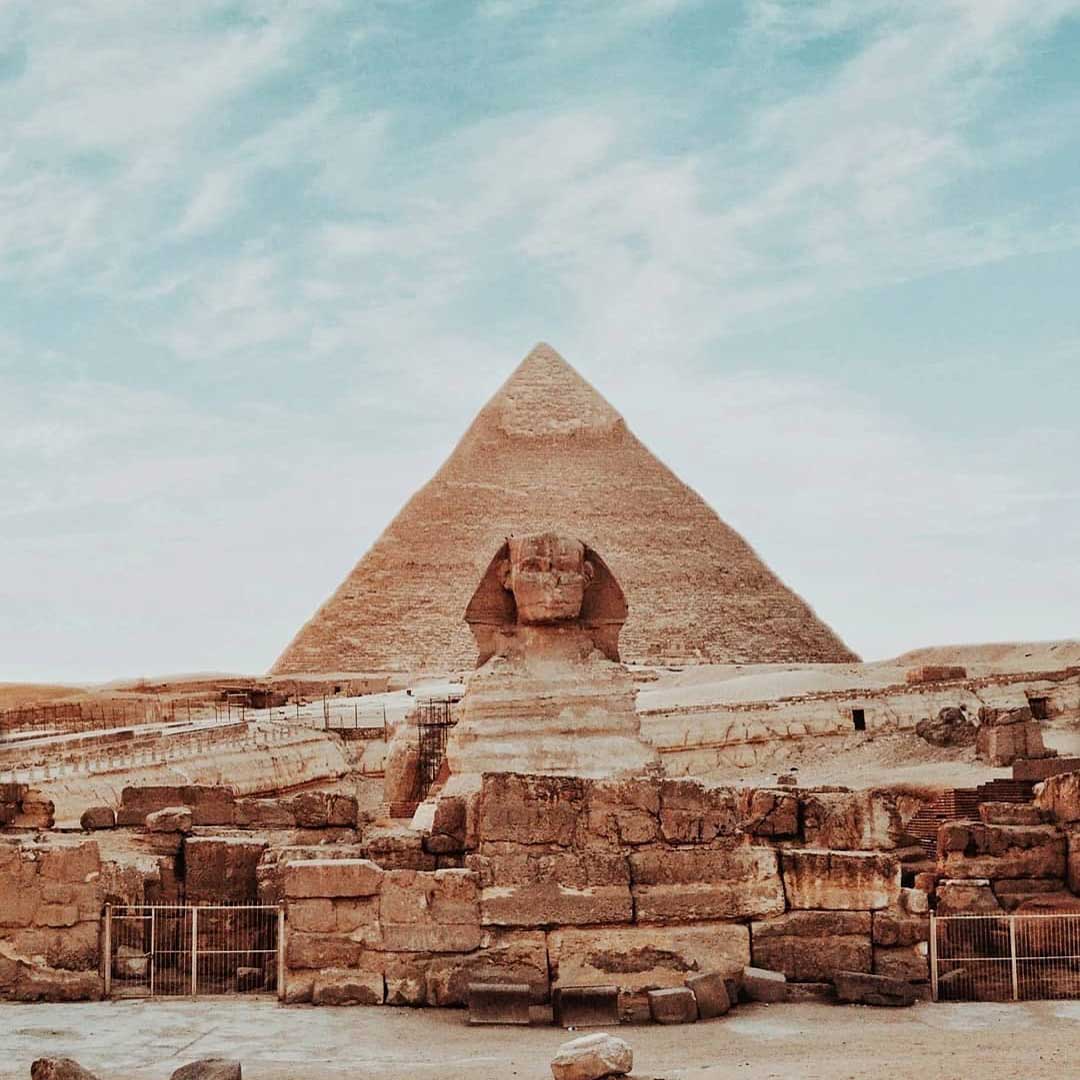
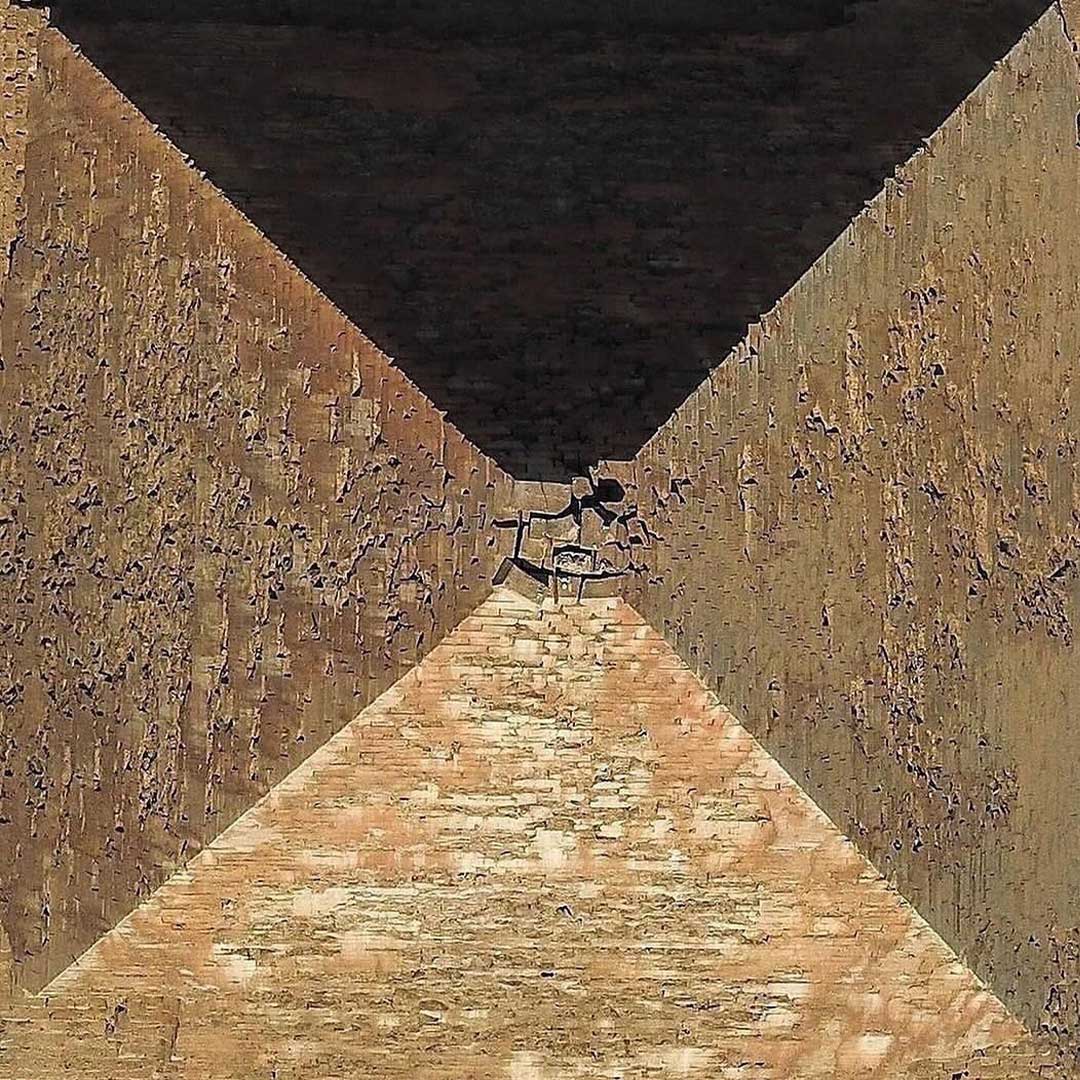
The Great Pyramid of Giza, located just outside modern-day Cairo, is one of the most iconic and enduring symbols of ancient Egyptian civilization. Constructed during the Fourth Dynasty around 2560 BCE, this colossal structure was built as a royal tomb for Pharaoh Khufu (Cheops). It is the largest of the three pyramids on the Giza Plateau and the only surviving member of the Seven Wonders of the Ancient World. With its precise architecture and mysterious origins, the Great Pyramid continues to fascinate archaeologists, historians, and travelers from around the globe.
A Masterpiece of Ancient Egyptian Architecture
The Pyramid of Khufu stands at a height of approximately 146.6 meters (originally), though erosion has slightly reduced its height over time. Made of millions of limestone and granite blocks, the construction of this pyramid remains a subject of debate among scholars, with various theories about the tools, manpower, and techniques used to achieve such a monumental feat. The precision of the pyramid’s alignment with the cardinal points and its internal chambers demonstrate the advanced engineering skills of ancient Egyptians.
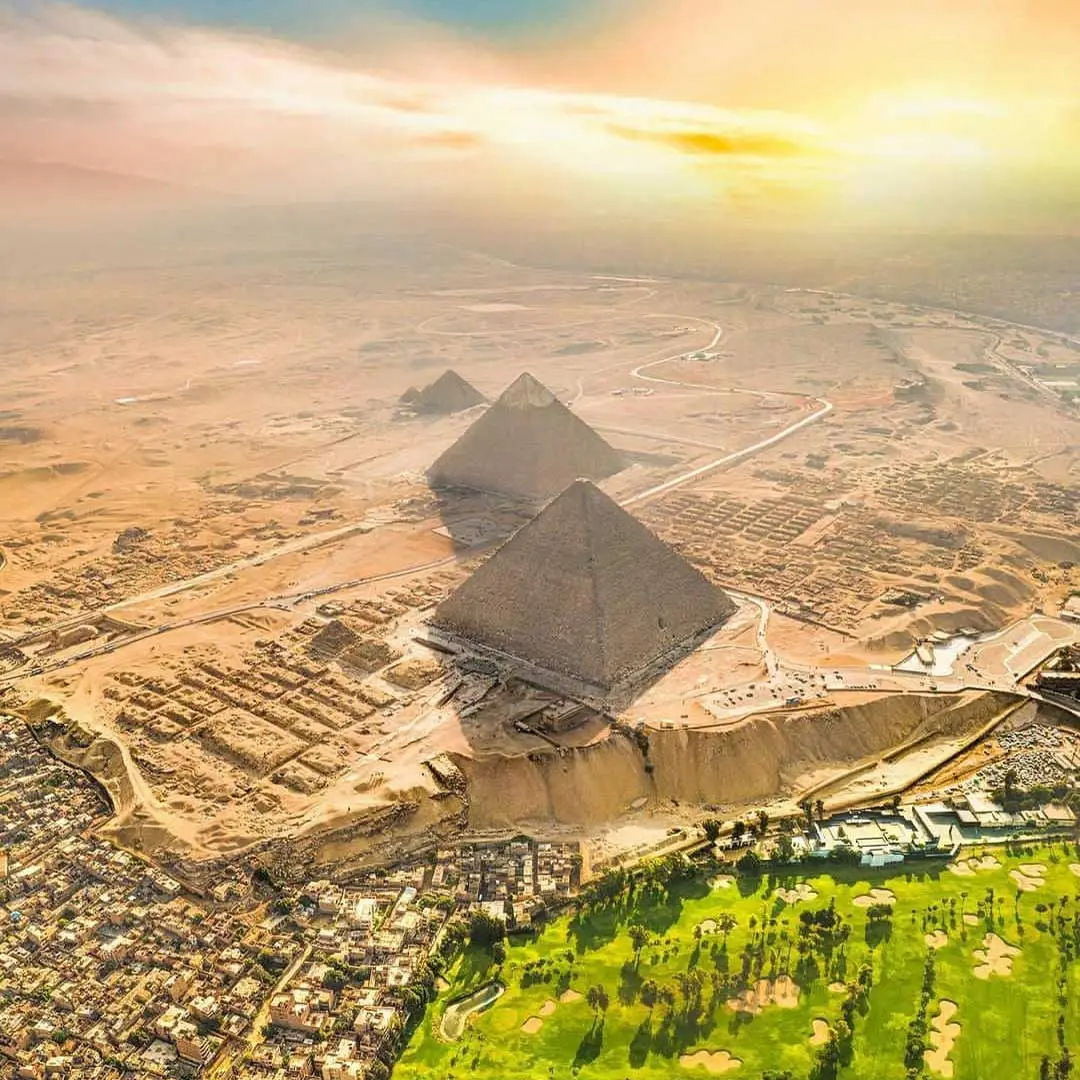
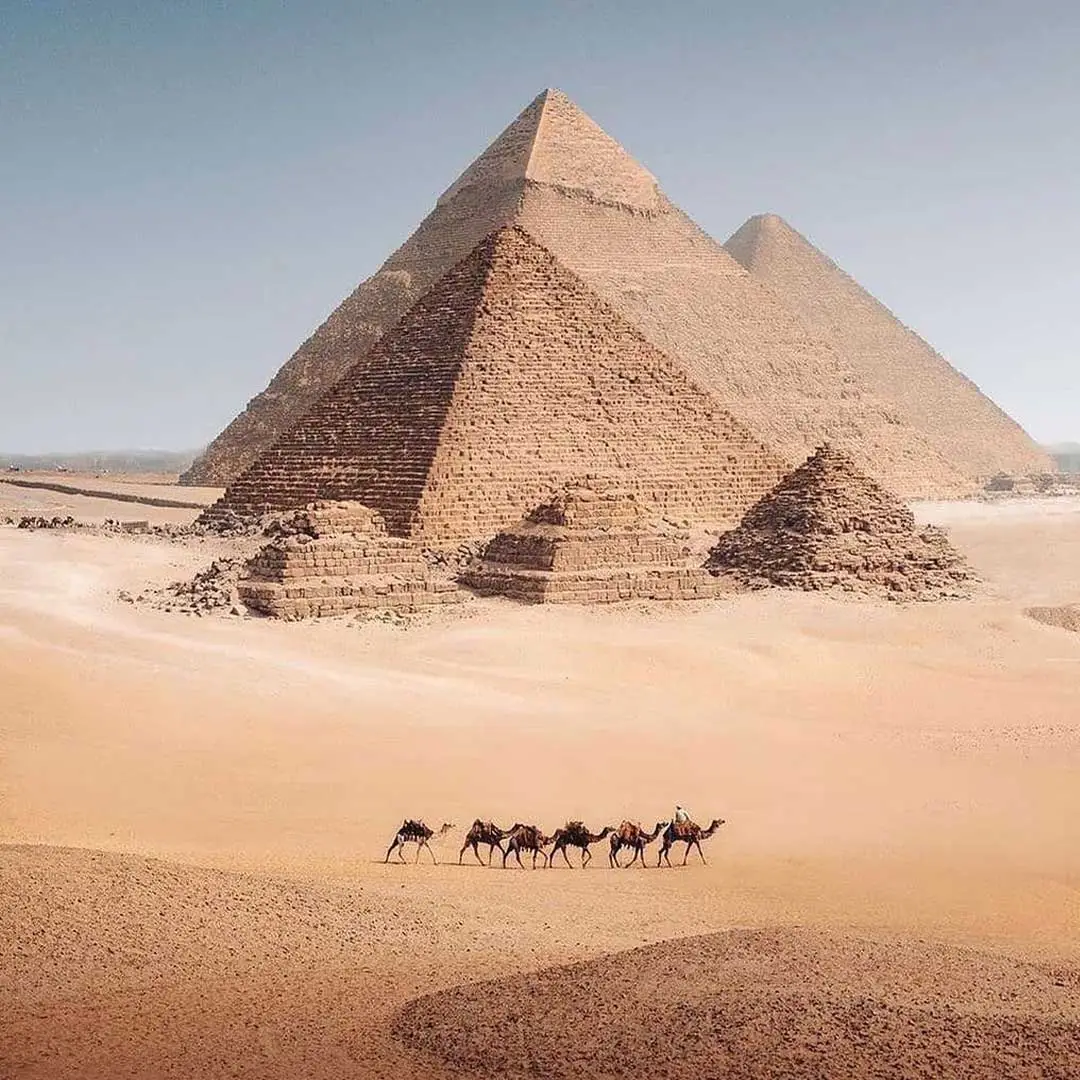
The complex surrounding the Great Pyramid includes smaller pyramids for queens, boat pits, and temples, all forming part of a vast funerary complex. These structures reflect the spiritual beliefs of the time, particularly the idea of resurrection and eternal life, which played a central role in ancient Egyptian religion and burial practices.
The Legacy of the Giza Pyramid in Archaeology
The archaeological significance of the Giza Pyramid cannot be overstated. It has been the subject of exploration for centuries and remains a key site in Egyptology. Excavations and studies have revealed invaluable information about ancient Egyptian society, labor organization, religious beliefs, and funerary practices. The nearby tombs of workers discovered in recent decades suggest that the pyramid was constructed by a large, skilled labor force not slaves as once believed who lived in organized settlements.
Artifacts found in the pyramid complex, along with hieroglyphic inscriptions and construction tools, help paint a clearer picture of life during the Old Kingdom of Egypt. This makes the site one of the most important archaeological destinations in the world.
The Giza Pyramid Today: Egypt's Timeless Heritage
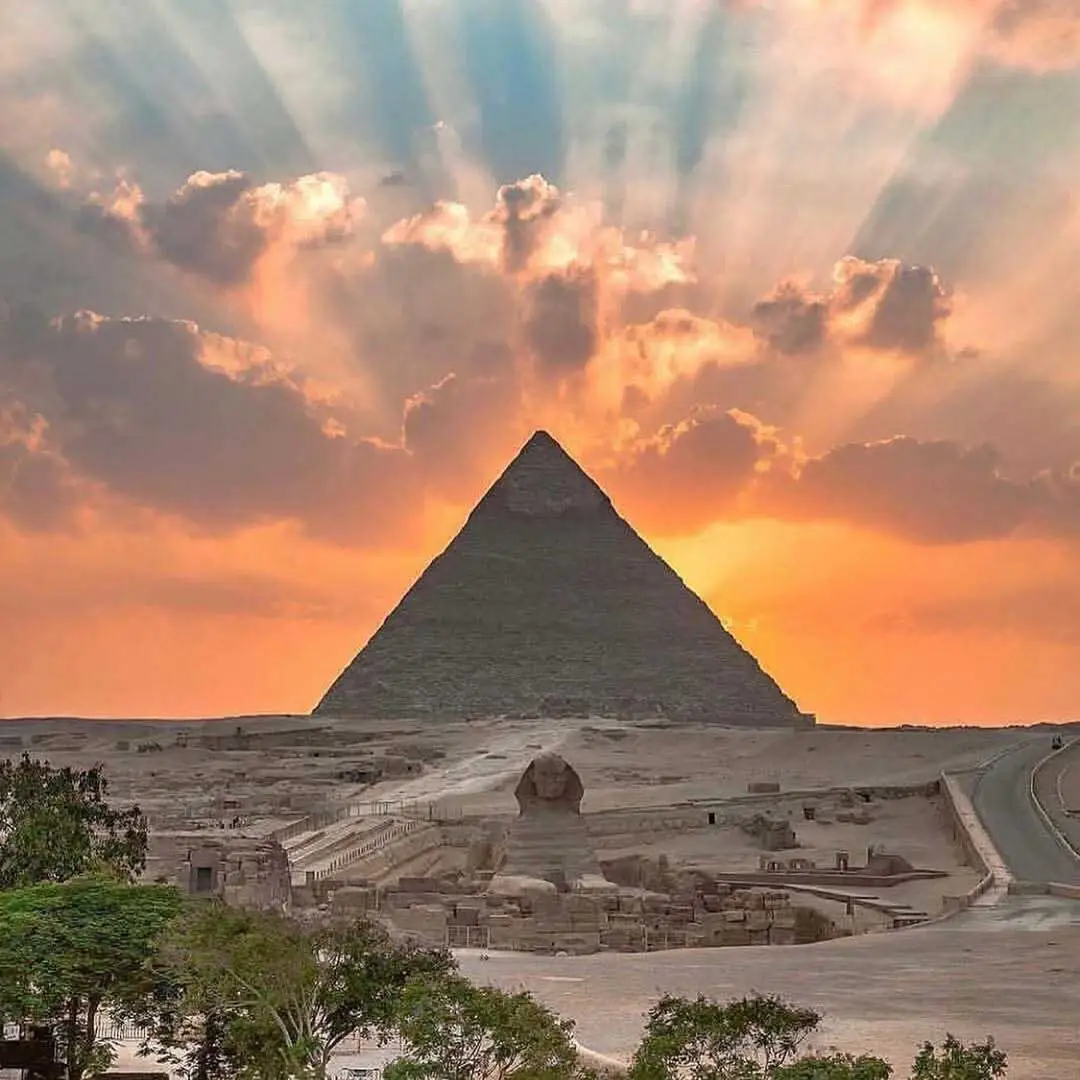
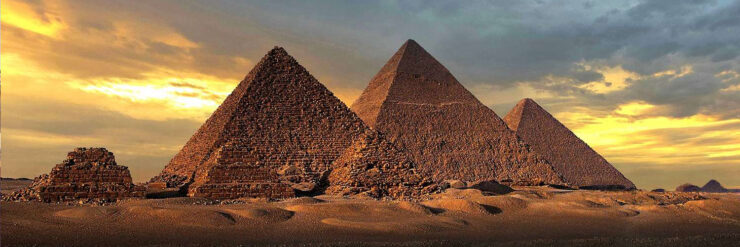
Today, the Great Pyramid of Giza is a centerpiece of Egyptian tourism, attracting millions of visitors each year. It forms part of a UNESCO World Heritage Site that includes the Sphinx, Pyramid of Khafre, and Pyramid of Menkaure. Together, they represent the architectural brilliance and spiritual depth of ancient Egypt.
For archaeologists, historians, and heritage travelers alike, the Giza Pyramid is far more than an ancient tomb it is a testament to human ingenuity, ambition, and devotion. Whether viewed through the lens of science, history, or awe, it remains one of the most compelling archaeological wonders of the world.