
 admin
A Monumental Legacy of Classical Greece

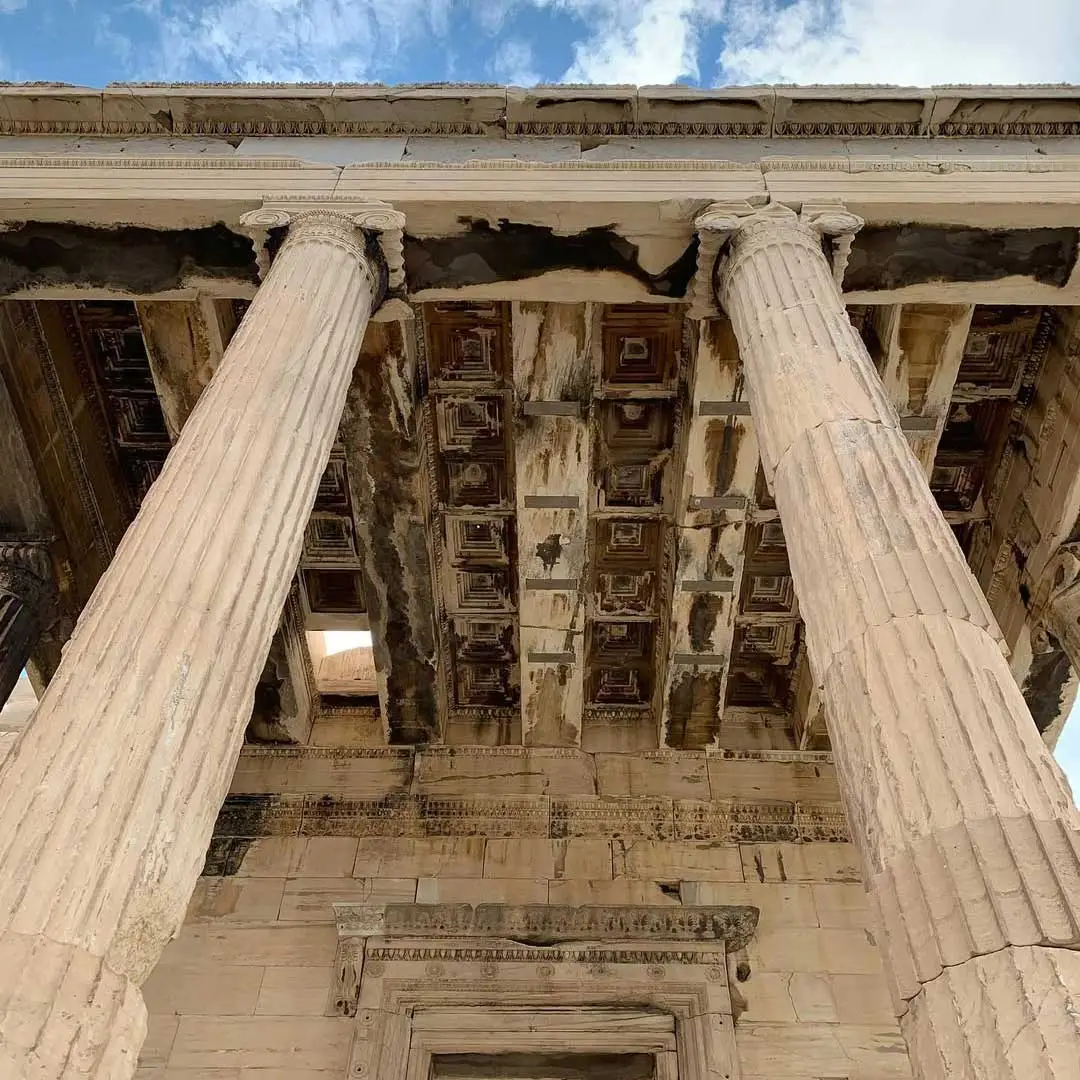
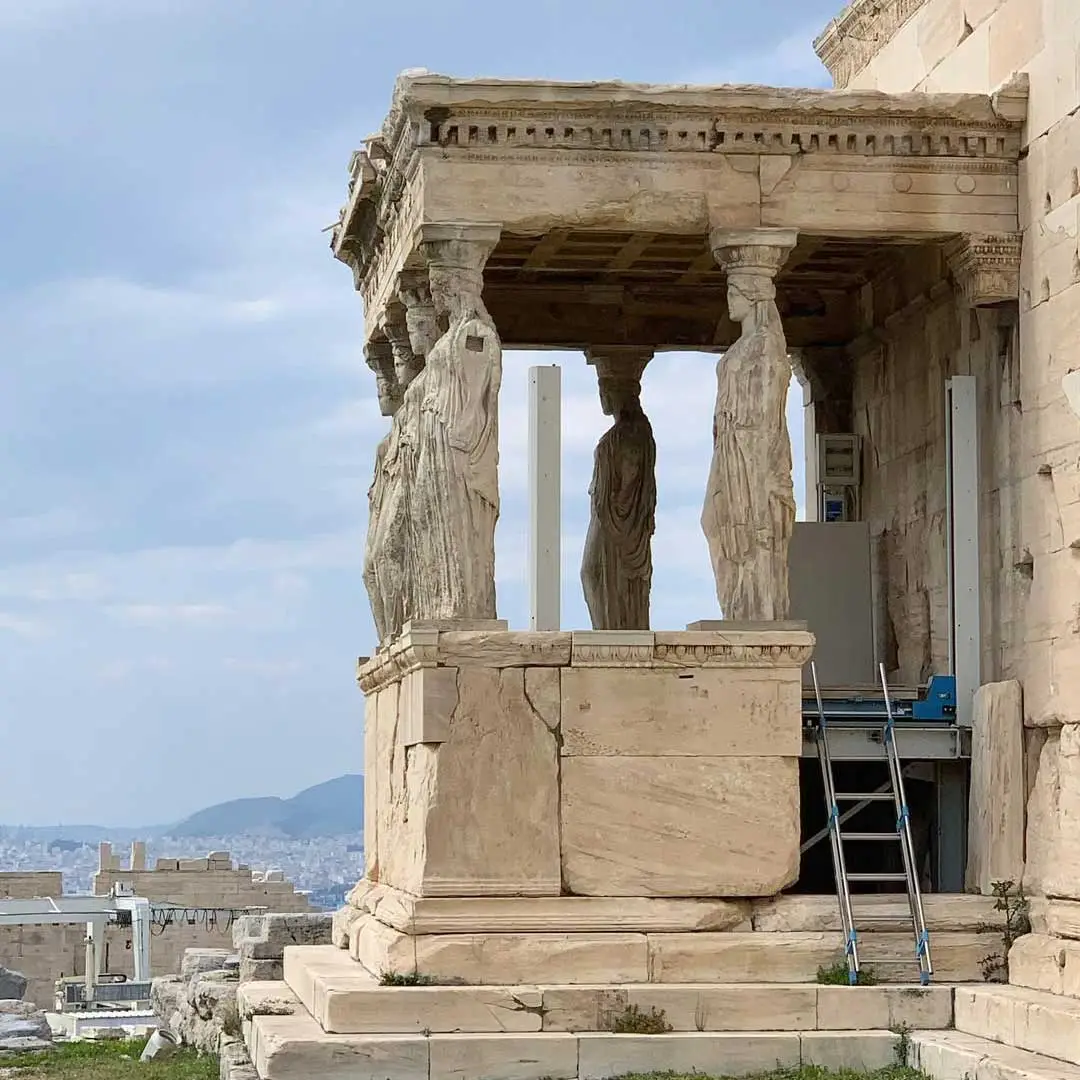
The Acropolis of Athens stands as one of the most important archaeological landmarks in the world, representing the intellectual and artistic peak of ancient Greek civilization. Perched atop a rocky hill in the heart of Athens, this historic citadel is home to some of the most iconic architectural masterpieces of classical antiquity, including the Parthenon, the Erechtheion, the Temple of Athena Nike, and the Propylaea. As a UNESCO World Heritage Site, the Acropolis is not only a testament to ancient engineering but also a symbol of democracy, philosophy, and cultural identity.
The Heart of Ancient Athens and Religious Devotion
Dating back to the 5th century BCE during the Golden Age of Pericles, the Acropolis was constructed as a sacred complex dedicated to the goddess Athena, the patron deity of the city. At the center of this ancient sanctuary lies the Parthenon, a temple that once housed a colossal statue of Athena made by Phidias. The precision of its Doric architecture and its harmonious proportions continue to captivate archaeologists and art historians alike.
The Acropolis served not only religious purposes but also political and ceremonial ones, reflecting the power and cultural superiority of Athens in the ancient world. The structures were adorned with sculptures and reliefs that depicted scenes from Greek mythology, Athenian victories, and civic life, providing a window into the values and beliefs of classical Greece.
Archaeological Significance and Global Heritage
The archaeological importance of the Acropolis of Athens lies in its extraordinary preservation and influence on Western architecture. Excavations and studies at the site have revealed centuries of human occupation, from the Mycenaean period to the Roman and Byzantine eras. These findings have contributed immensely to our understanding of Greek art, religion, politics, and urban development.
The Acropolis Museum, located nearby, houses many of the original statues and artifacts recovered from the site. It offers insight into the craftsmanship and religious symbolism of ancient Greek culture, while ongoing conservation efforts aim to protect this monumental site from environmental and human damage.
The Acropolis Today: A Living Symbol of Western Civilization
Today, the Acropolis of Athens is one of the most visited tourist attractions in Greece, drawing millions of visitors each year. Its commanding views over modern Athens, combined with the awe-inspiring grandeur of ancient ruins, make it a powerful reminder of the enduring legacy of Greek civilization. It continues to inspire scholars, artists, and travelers with its blend of mythology, architecture, and philosophy.
As a cultural and archaeological beacon, the Acropolis represents the ideals of democracy, wisdom, and beauty values that remain relevant to this day. Visiting this sacred hilltop is not just a journey through ancient Greek history, but a deeper exploration of humanity’s shared heritage.