 admin
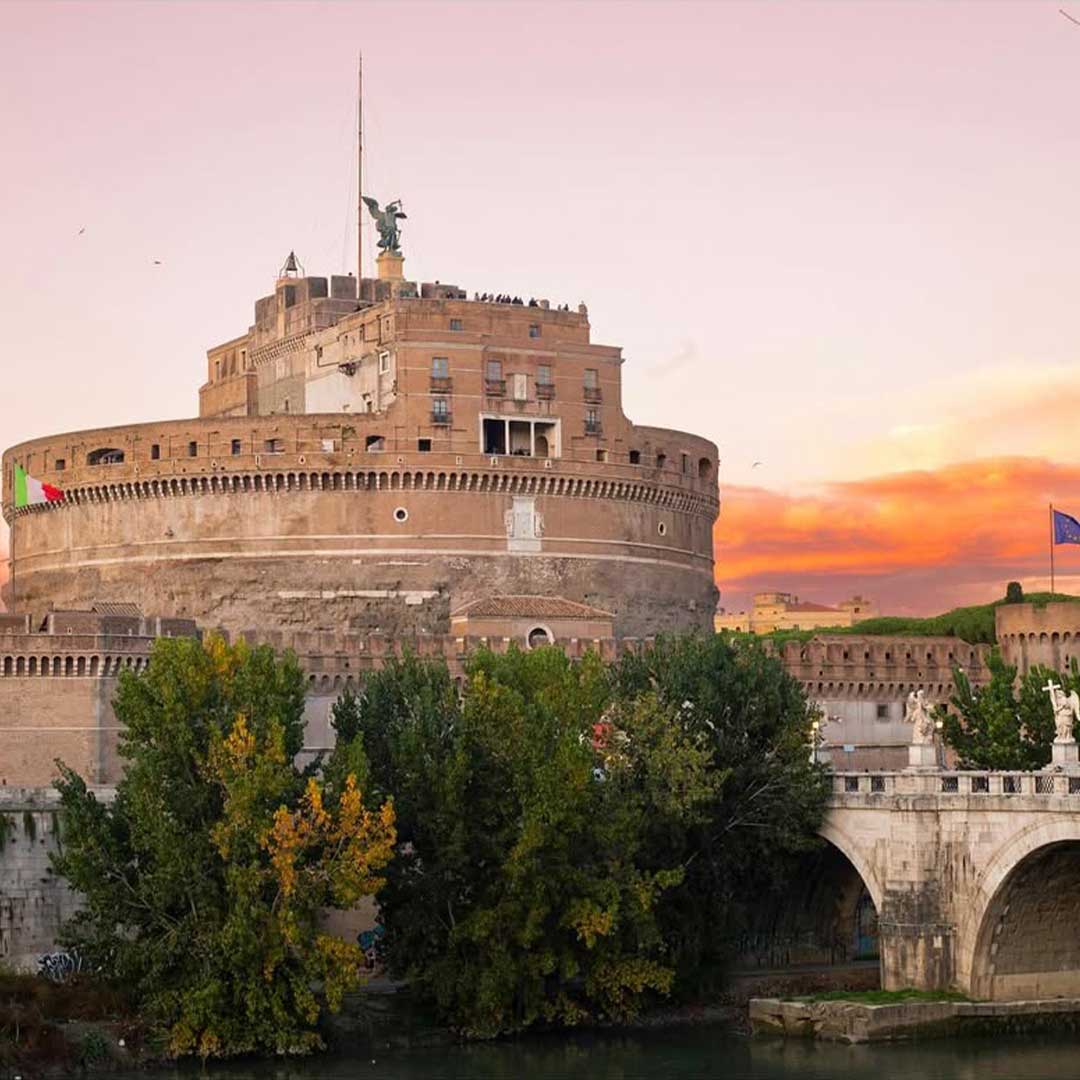
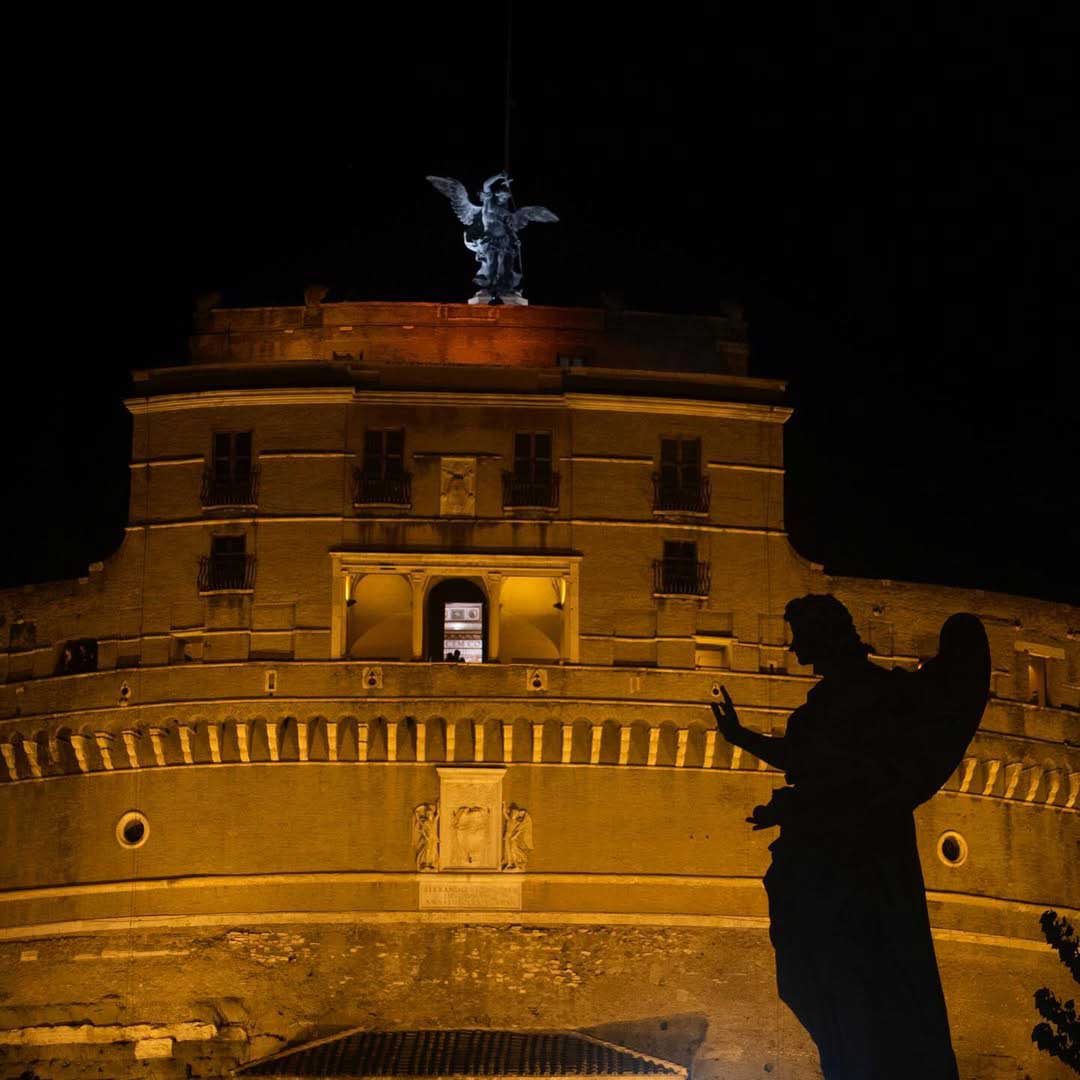
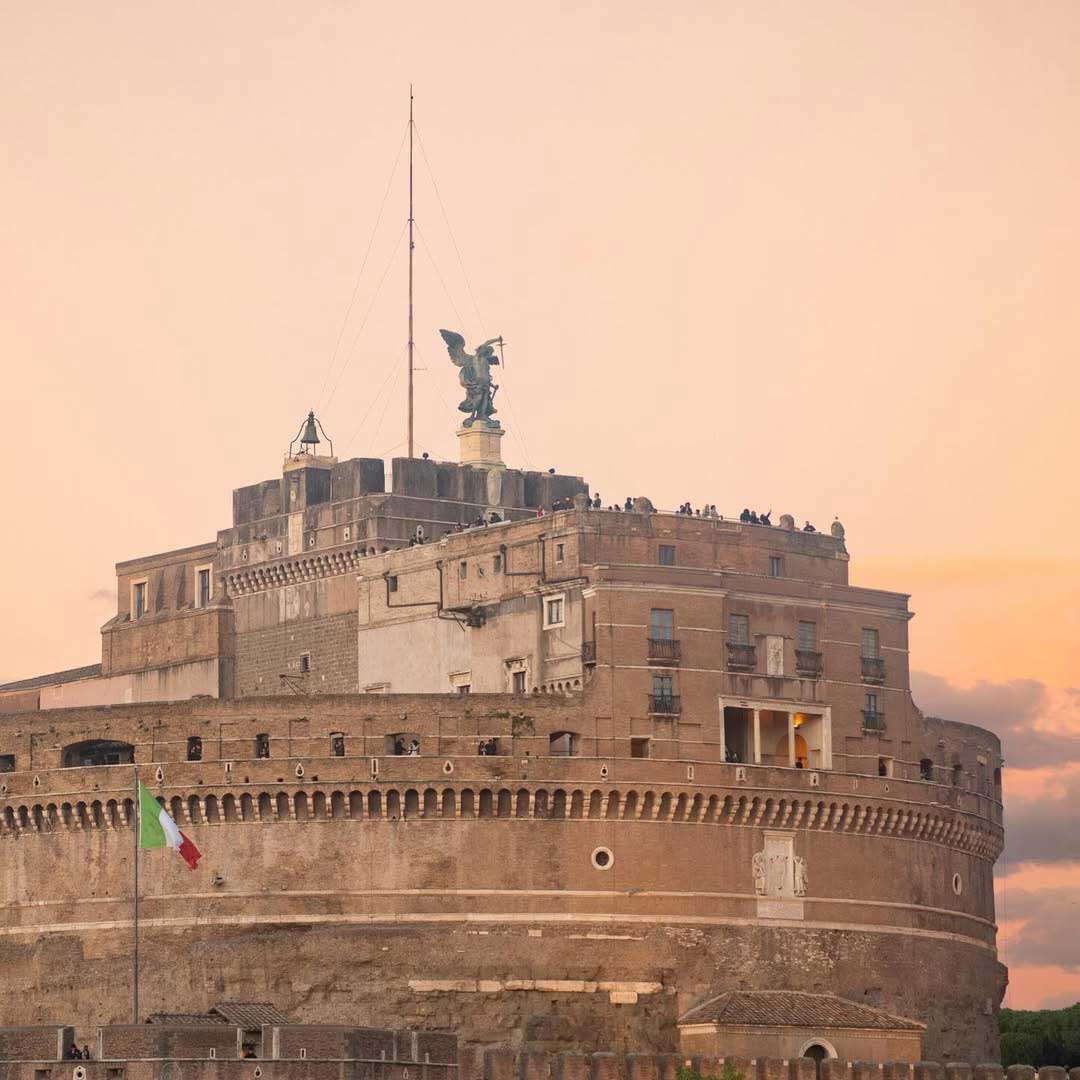
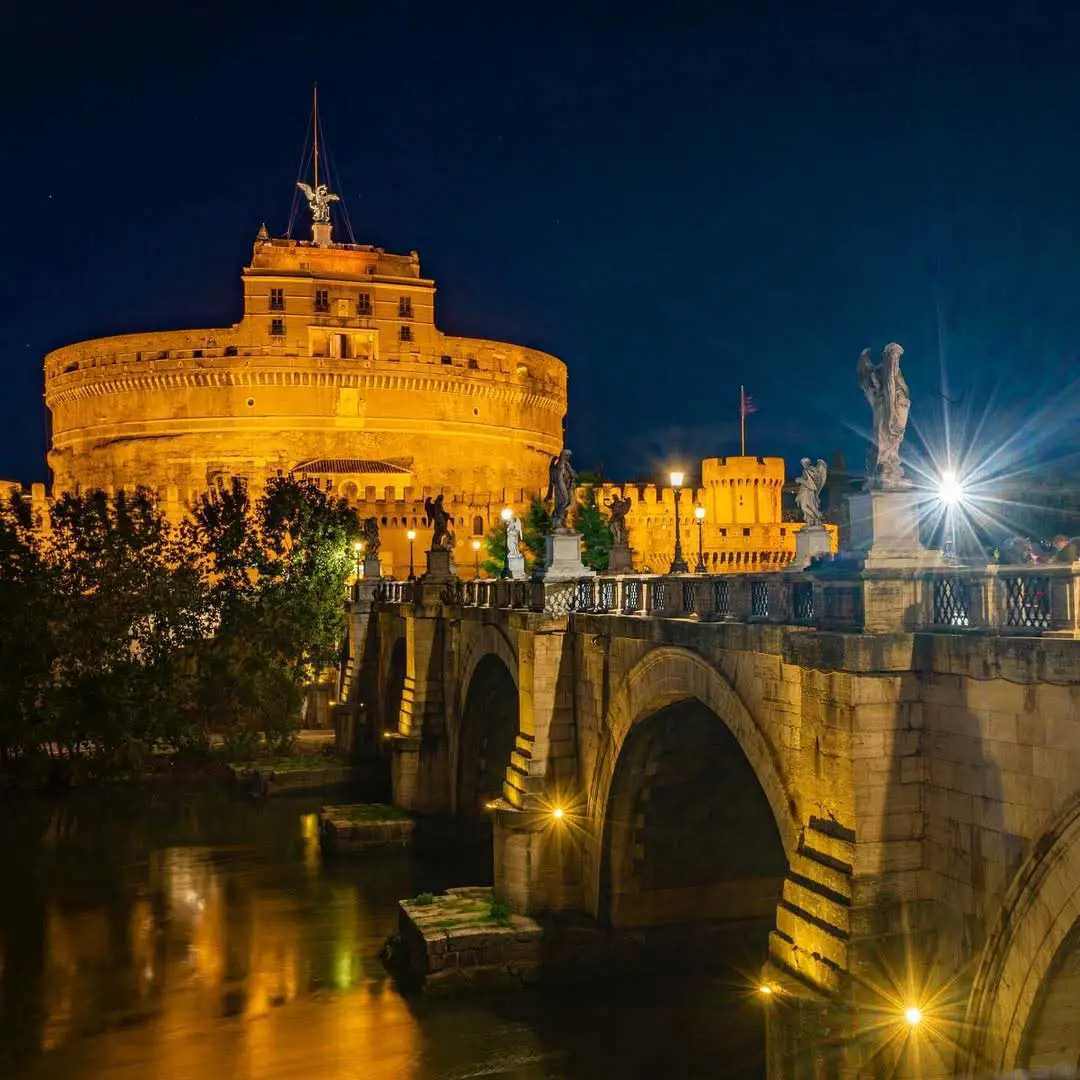
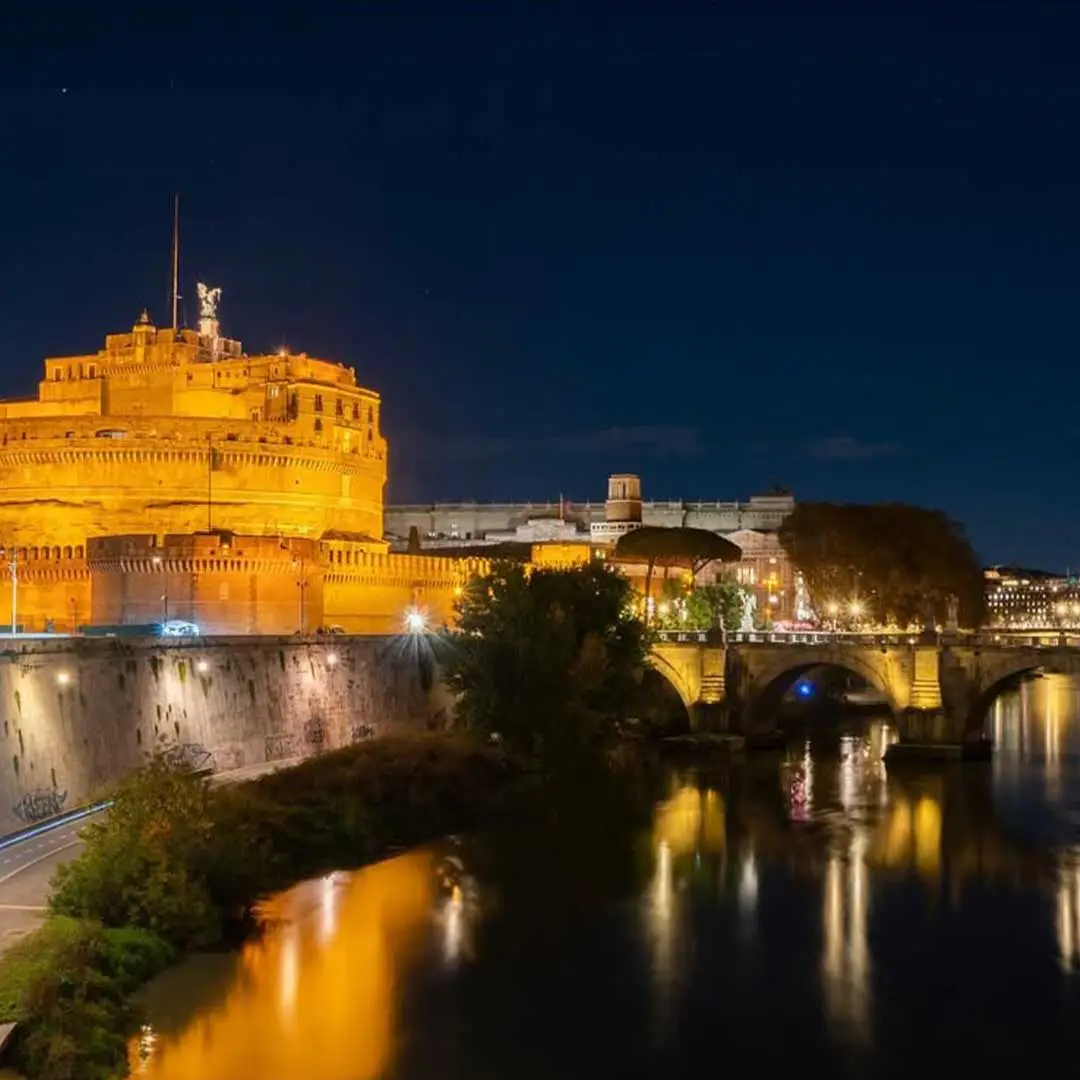
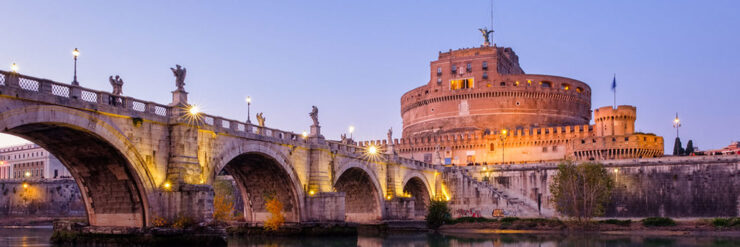
The Castle of the Holy Angel, also known as Castel Sant’Angelo, is one of Rome’s most iconic and historically layered structures. Located along the banks of the Tiber River, near Vatican City, the castle stands as a powerful symbol of continuity from ancient Rome through the medieval and Renaissance periods. Originally built in the 2nd century AD as a mausoleum for Emperor Hadrian, the site evolved over centuries into a papal fortress, prison, and residence, making it a must-visit historical landmark in Rome for both archaeologists and tourists.
From Hadrian’s Mausoleum to Medieval Fortress
The origins of the Castle of the Holy Angel date back to 139 AD, when Emperor Hadrian commissioned a massive tomb for himself and his family. The circular design, inspired by earlier imperial mausoleums, was intended to project eternal legacy and divine association. The structure was completed under the rule of Antoninus Pius, and it served as the final resting place for several Roman emperors.
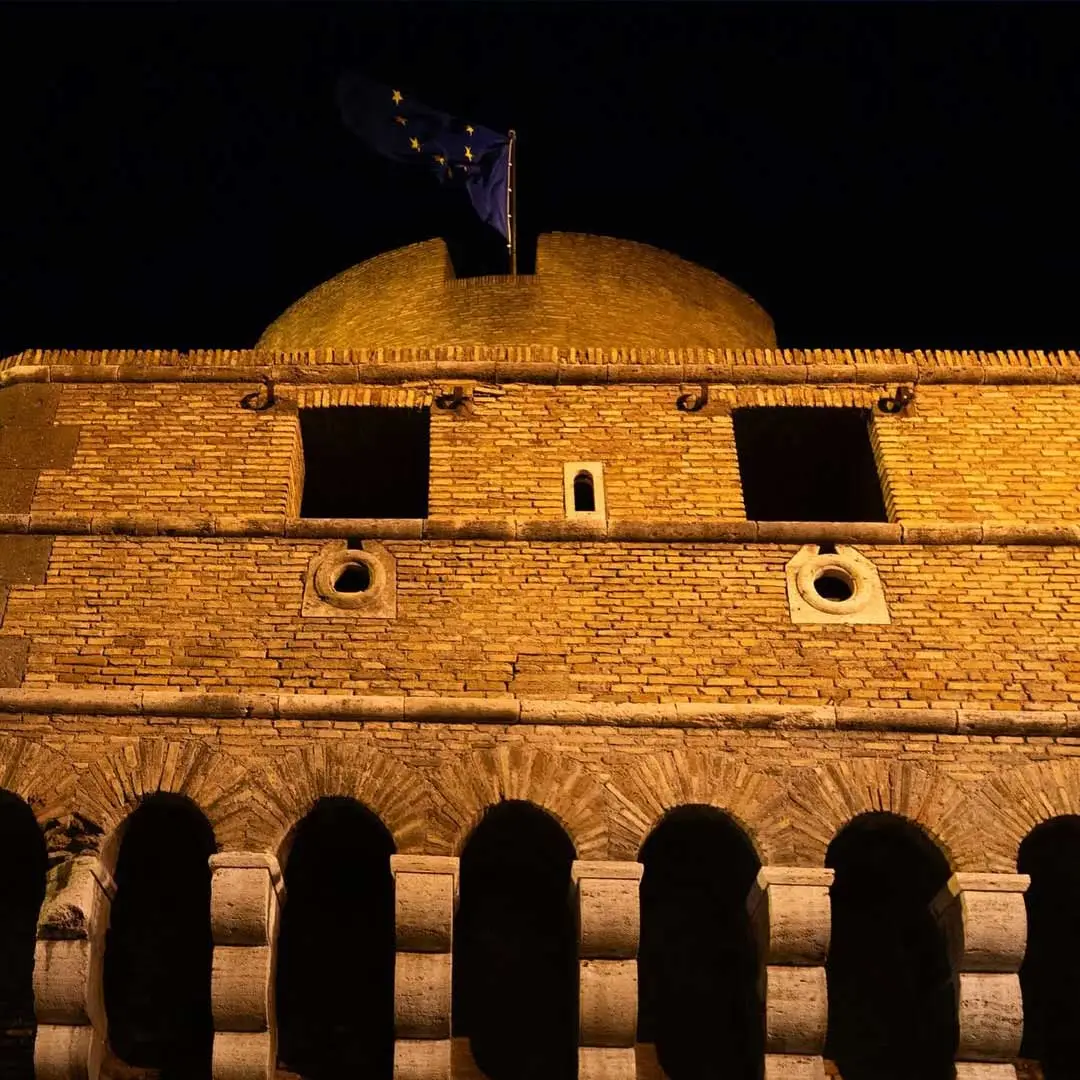
By the 5th century AD, as the Roman Empire declined and the city became vulnerable to invasions, the mausoleum was repurposed into a military fortress. Its strategic location made it a key defensive structure during times of siege. Over time, this once-sacred tomb was transformed into a towering stronghold, surrounded by high walls and fortified towers. This transition from a tomb to a military bastion reflects Rome’s shifting political and religious dynamics.
A Papal Refuge and the Passetto di Borgo
During the Middle Ages, the popes recognized the strategic importance of the castle and incorporated it into the Vatican’s defense system. It was connected to St. Peter’s Basilica by the Passetto di Borgo, a hidden corridor used by popes to escape danger during sieges. The Castle of the Holy Angel also served as a papal residence, treasury, and even a prison, housing notable historical figures over the centuries.
Architectural modifications under successive popes added Renaissance flourishes, decorative frescoes, and ornate chapels. These changes gave the castle a unique architectural identity that blends ancient Roman engineering with medieval and Renaissance artistry. The castle’s rooftop terrace offers panoramic views of Rome’s historic center, making it one of the most picturesque archaeological sites in the city.
Castel Sant’Angelo Today: A Fascinating Journey Through Time
Today, the Castle of the Holy Angel operates as a museum and cultural attraction, welcoming visitors eager to explore over 2,000 years of Roman history in one place. The site features preserved Roman foundations, Renaissance apartments, weaponry collections, and art galleries. Its deep layers of transformation from imperial tomb to medieval fortress and Renaissance palace make it an unparalleled site in Rome’s archaeological and architectural heritage.
For travelers and researchers alike, Castel Sant’Angelo is more than just a monument; it’s a living narrative of Rome’s evolution from antiquity to the present day. Visiting this fortress provides a rare opportunity to witness the overlapping legacies of emperors, popes, and citizens of the Eternal City.