 admin
The Discovery of the Dead Sea Scrolls: A Landmark in Biblical Archaeology
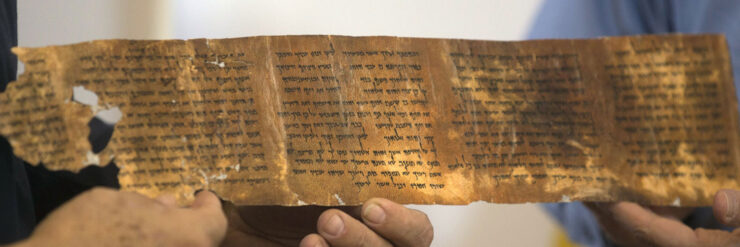
The story of the Dead Sea Scrolls’ discovery began in 1947, when Bedouin shepherds stumbled upon clay jars containing ancient scrolls in a cave near Qumran. Over the following decade, archaeologists unearthed more than 900 manuscripts from 11 different caves. These scrolls included biblical texts, sectarian writings, and historical documents, offering invaluable insights into Jewish religious practices during the Second Temple period.
Among the scrolls are some of the oldest known copies of the Hebrew Bible, including fragments from the Books of Genesis, Isaiah, and Psalms. The Great Isaiah Scroll, nearly complete and over 2,000 years old, is one of the most significant finds, shedding light on the textual history of the Old Testament.
The Significance of the Dead Sea Scrolls for Biblical and Historical Studies
The Dead Sea Scrolls are crucial for understanding the development of Judaism and early Christianity. They provide evidence of diverse religious beliefs and practices among Jewish groups during the Second Temple era, a period of significant religious and political upheaval. The scrolls also reveal the existence of a Jewish sect, commonly identified as the Essenes, who lived in the Qumran settlement and are believed to have been the authors or custodians of many of these texts.
By comparing the Dead Sea Scrolls with later versions of the Hebrew Bible, scholars can trace changes in biblical texts over time, offering a clearer picture of how religious scriptures evolved. The scrolls also contain apocryphal and pseudepigraphical works, previously unknown to modern scholarship, enriching our understanding of ancient Jewish literature.
Preservation, Research, and Public Access to the Dead Sea Scrolls
Preserving the Dead Sea Scrolls has been a significant challenge due to their fragile state. Exposure to light, humidity, and improper storage conditions initially caused deterioration. However, advances in conservation techniques and digital imaging have helped protect these ancient manuscripts and make them accessible to researchers and the public.
Institutions like the Israel Antiquities Authority and the Shrine of the Book at the Israel Museum in Jerusalem play a vital role in safeguarding the scrolls. High-resolution digital archives have also been created, allowing scholars worldwide to study these invaluable texts without physically handling the delicate originals.
The Dead Sea Scrolls in Modern Archaeology and Cultural Heritage
The discovery of the Dead Sea Scrolls remains one of the most significant events in the field of archaeology in Israel and global biblical studies. These ancient manuscripts continue to influence academic research, religious scholarship, and public interest in ancient Jewish history. As symbols of cultural and religious heritage, the Dead Sea Scrolls bridge the ancient and modern worlds, connecting humanity with the spiritual traditions of the past.
Their ongoing study not only deepens our understanding of the ancient Middle East but also highlights the importance of archaeological preservation in uncovering the shared history of civilizations.