 admin
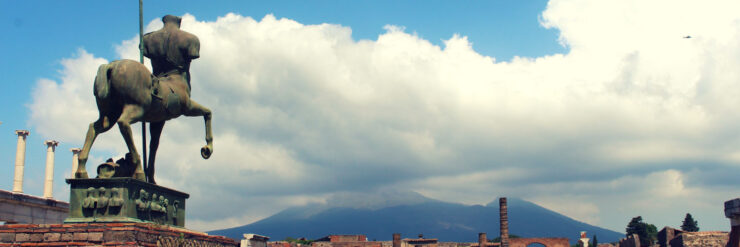
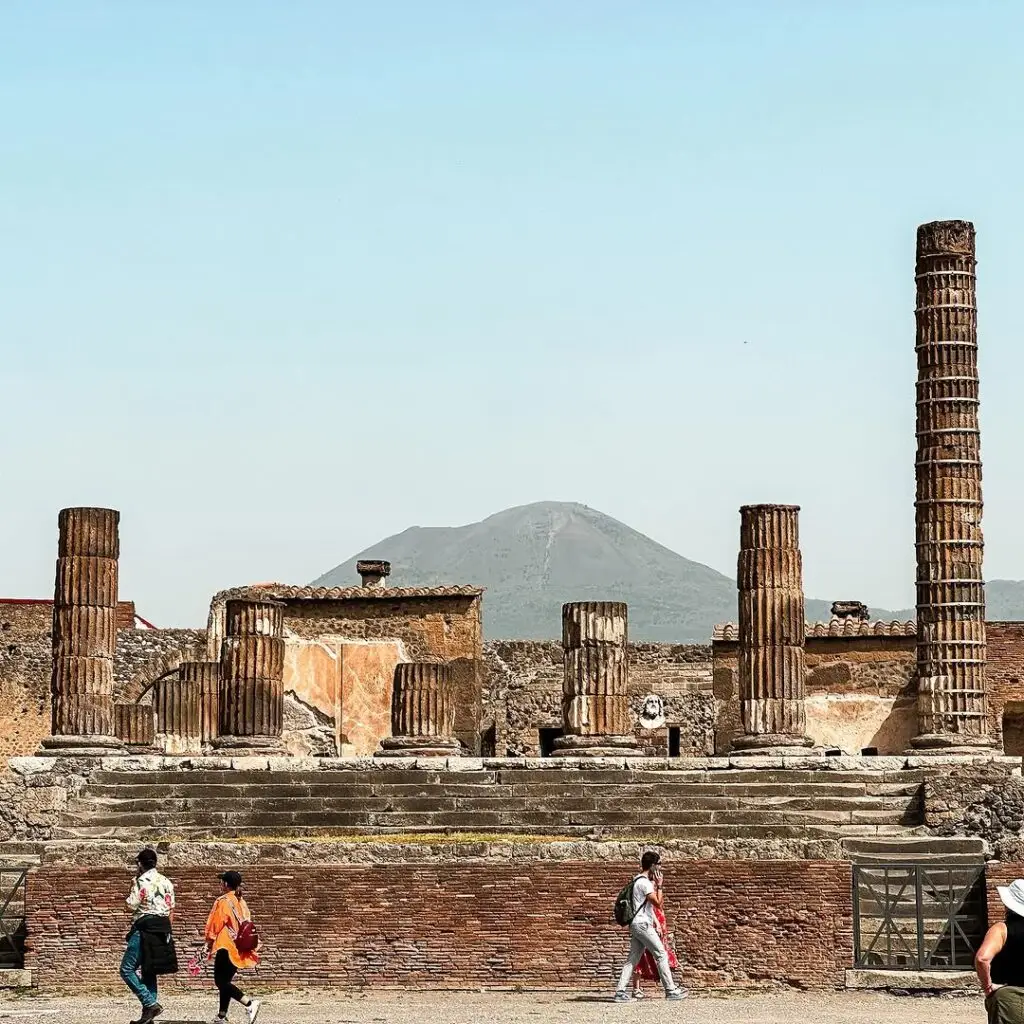
Nestled in the shadow of Mount Vesuvius in Campania, Italy, the ancient city of Herculaneum offers one of the most fascinating archaeological sites in the world. Often overshadowed by its more famous neighbor Pompeii, Herculaneum was also destroyed during the catastrophic volcanic eruption in 79 AD. However, what sets it apart is its exceptional state of preservation. Buried under a deep layer of volcanic ash and pyroclastic material, the city remained sealed from air and moisture for centuries, allowing wooden structures, mosaics, frescoes, and even food items to survive almost intact. For archaeologists and history lovers, Herculaneum is a treasure trove that offers a vivid glimpse into life in the Roman Empire.
The History and Rediscovery of Herculaneum
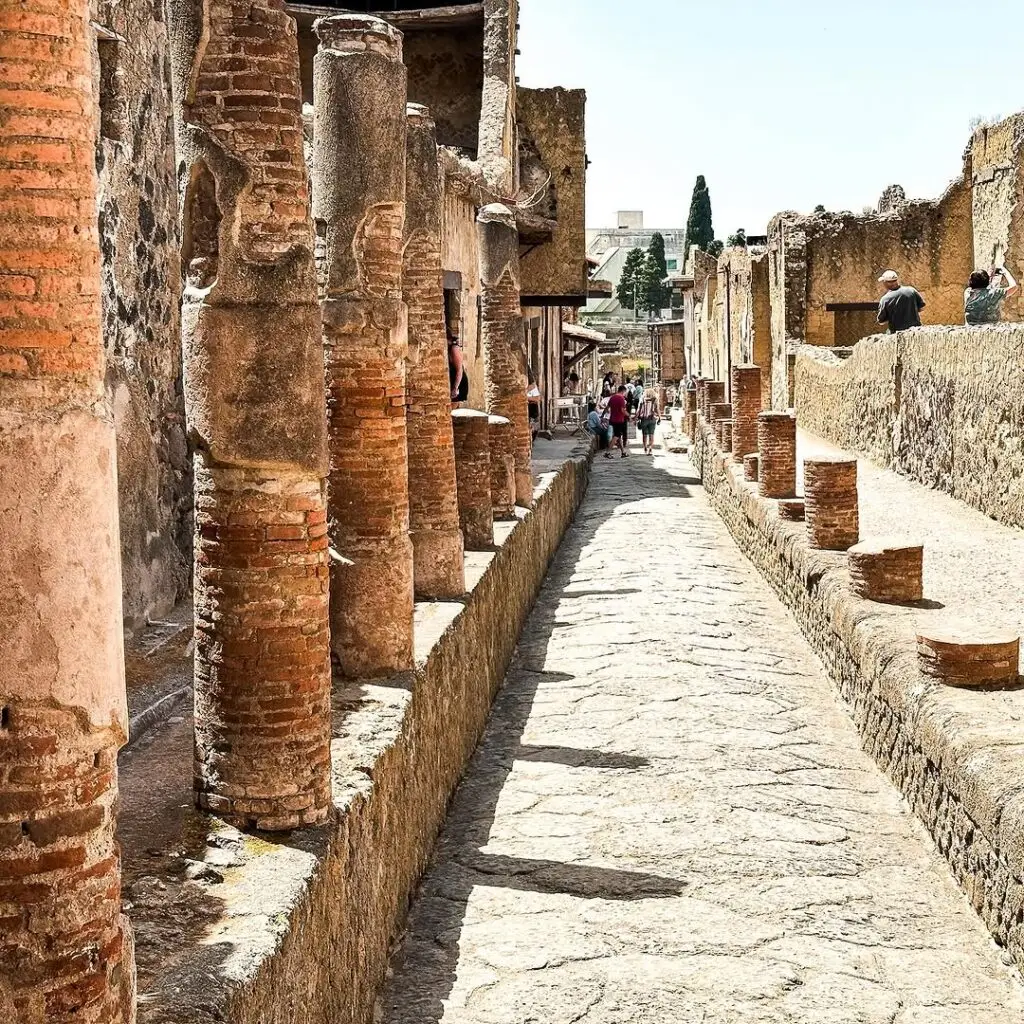
Herculaneum was a wealthy seaside town during the Roman era, known for its luxurious villas, vibrant public baths, and elaborate infrastructure. It attracted Rome’s elite, who built grand residences with stunning views of the Bay of Naples. The eruption of Mount Vesuvius buried the city under nearly 20 meters of volcanic material, preserving it far more thoroughly than Pompeii, which was covered by a lighter layer of ash.
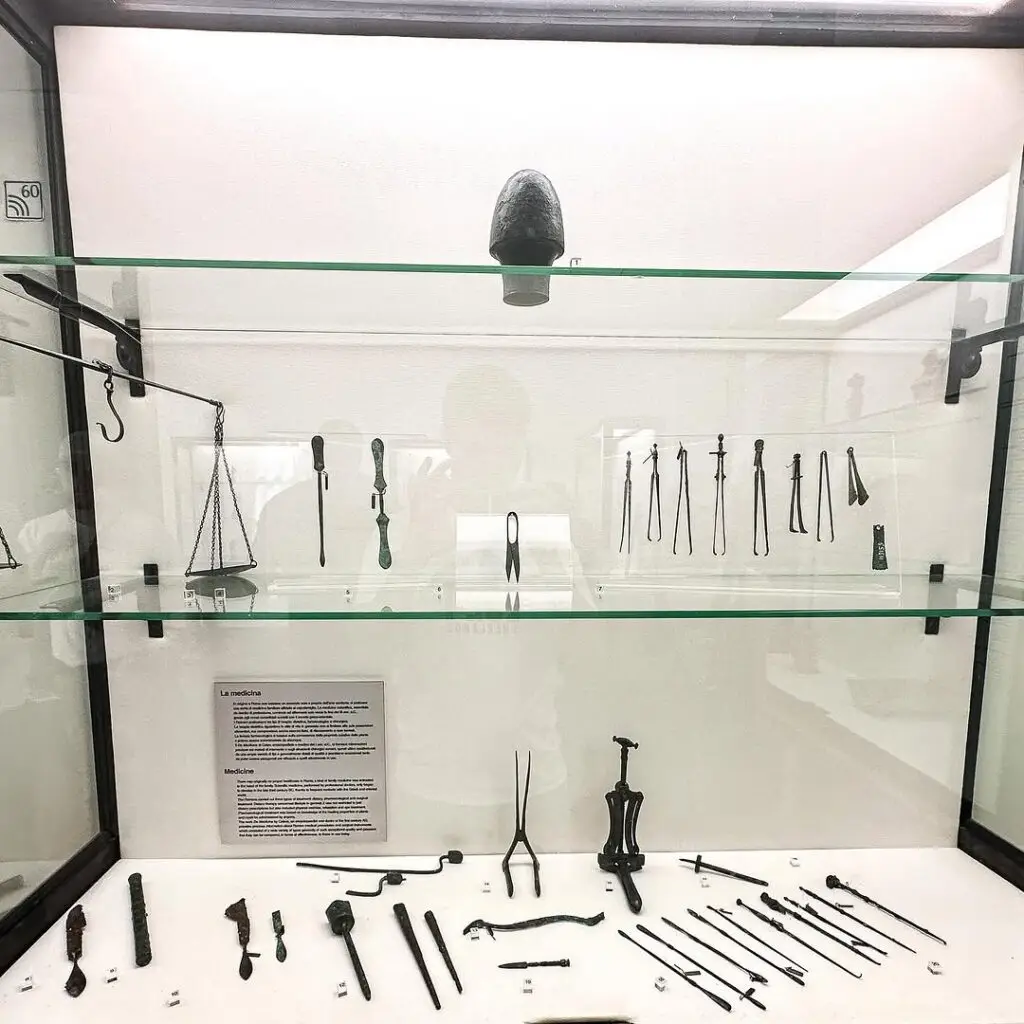
The rediscovery of Herculaneum began in the early 18th century, when workers digging a well accidentally came across the ruins. Since then, ongoing excavations have revealed an astonishing level of preservation, including wooden doors, beds, and everyday objects that are rarely found at other Roman archaeological sites. This has made Herculaneum a focal point for researchers studying ancient Roman domestic life, urban planning, and artistic expression.
Architectural and Artistic Marvels of Herculaneum
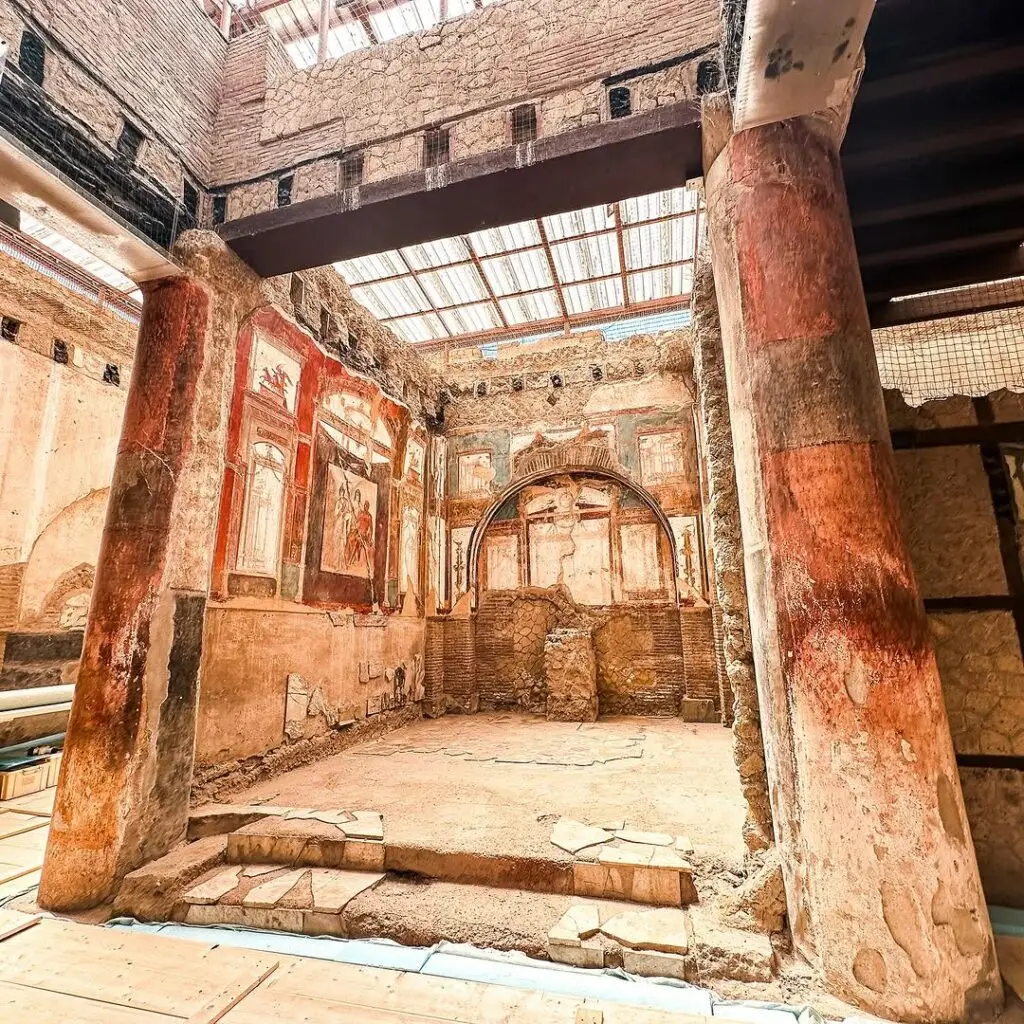
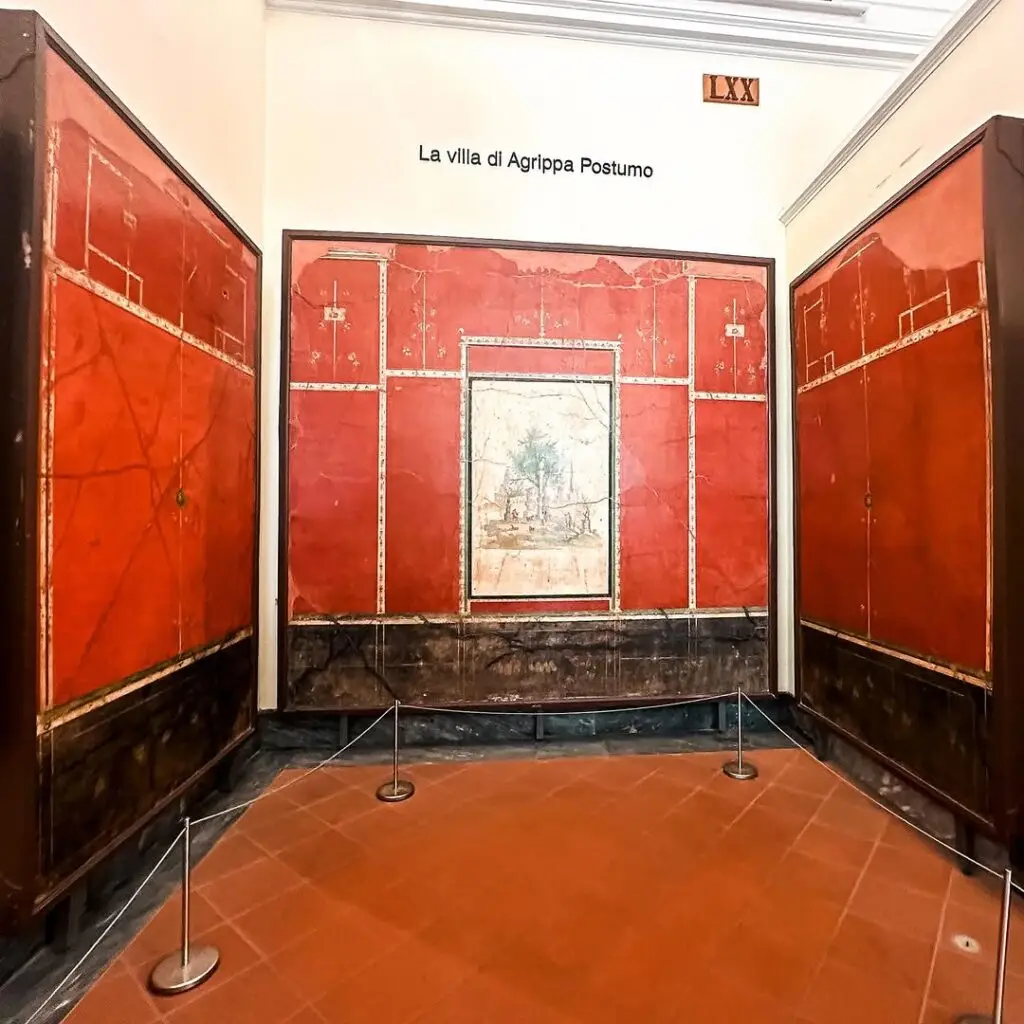
Walking through the archaeological site of Herculaneum, visitors encounter a city frozen in time. The buildings, including private homes like the House of the Deer and House of the Mosaic Atrium, are adorned with vibrant frescoes and intricate floor mosaics. The preservation of upper stories in some structures offers a rare opportunity to study multi-level Roman architecture.
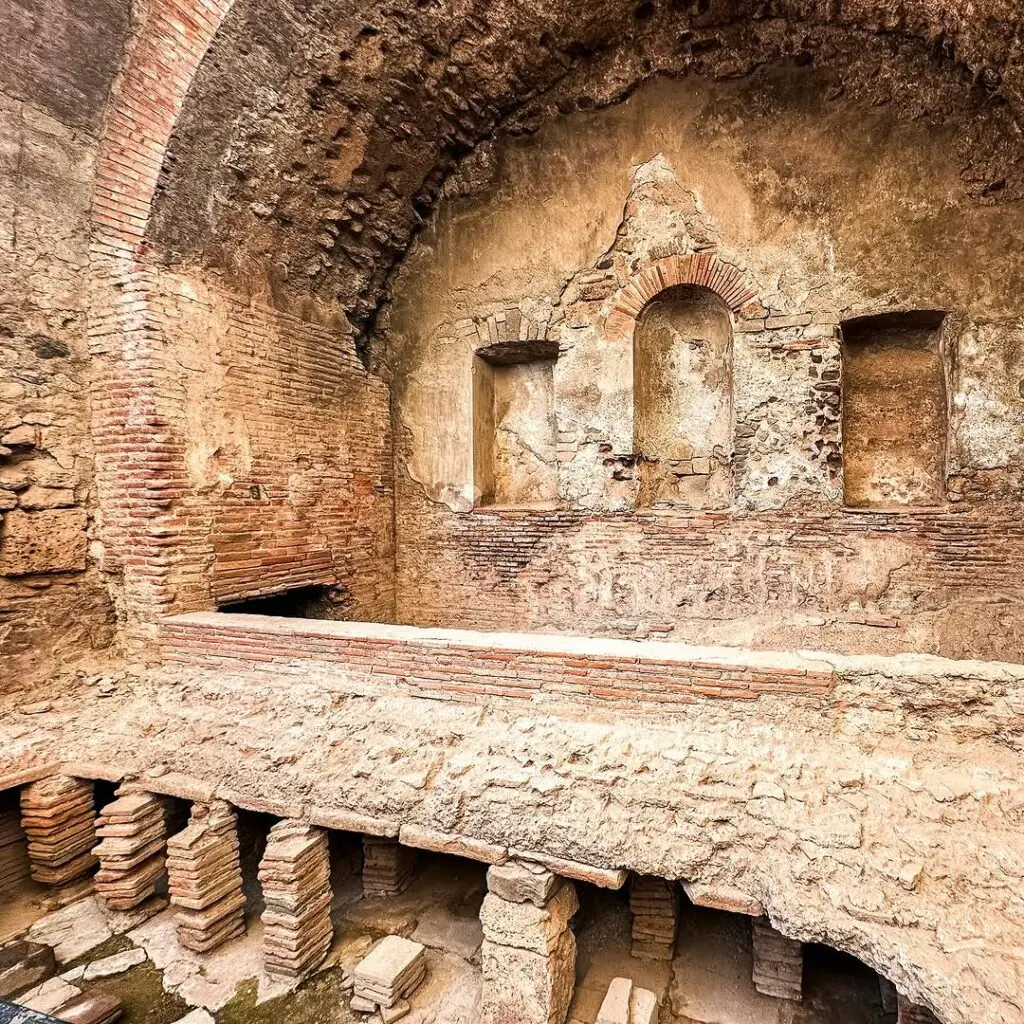
The city’s well-preserved Roman baths, gymnasiums, and forum area reflect a highly developed social and civic life. Recent excavations have also revealed a collection of human skeletons along the ancient shoreline, believed to be residents who tried to escape the eruption. These discoveries provide important clues about the final moments of the disaster and the physical condition of the ancient population.
Herculaneum: A Hidden Gem for Archaeological Tourism
Today, Herculaneum is a must-visit destination for travelers interested in archaeology, history, and Roman heritage. Managed by the Archaeological Park of Herculaneum, the site offers guided tours, exhibitions, and access to beautifully preserved ruins that rival those of Pompeii. Its smaller size and fewer crowds make it a more intimate and accessible experience for visitors.
As interest in ancient Roman cities in Italy continues to grow, Herculaneum remains one of the most significant and insightful archaeological sites in Europe. Its unique preservation, historical importance, and cultural value make it a cornerstone of Campania’s rich archaeological landscape.