 admin
Jerusalem, the ancient and spiritual heart of Israel, stands as one of the oldest continuously inhabited cities in the world. With a history stretching back more than 5,000 years, Jerusalem holds immense religious, cultural, and historical significance for the three major monotheistic faiths Judaism, Christianity, and Islam. Its sacred status and rich heritage make it one of the most important and frequently studied archaeological sites in the world.
Situated in the Judean Mountains between the Mediterranean Sea and the Dead Sea, Jerusalem’s Old City is a UNESCO World Heritage Site, revered for its ancient walls, holy sites, and archaeological treasures. The city has been at the center of countless historical events, from biblical times through Roman, Byzantine, Islamic, Crusader, Ottoman, and modern eras, each leaving its mark on the city's unique architectural and cultural landscape.
The Archaeological Marvels of Jerusalem: From the Western Wall to the City of David
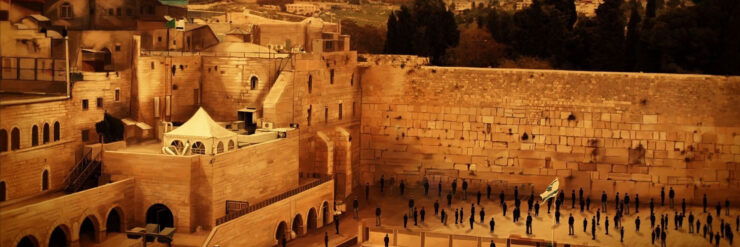
The Western Wall, also known as the Wailing Wall, is perhaps the most iconic symbol of Jerusalem’s archaeological and religious significance. This ancient limestone wall is a remnant of the Second Temple, destroyed by the Romans in 70 CE, and serves as a sacred site of prayer and pilgrimage for Jews worldwide.
Beneath Jerusalem’s surface, the City of David archaeological site offers a glimpse into the city’s earliest settlements. Excavations have revealed ancient fortifications, water tunnels such as Hezekiah’s Tunnel, and structures dating back to the Bronze and Iron Ages. These findings provide crucial evidence of Jerusalem’s ancient urban development and historical continuity.
Another monumental site is the Temple Mount, a sacred platform revered by Jews, Christians, and Muslims. It is home to the Dome of the Rock and the Al-Aqsa Mosque, significant landmarks in Islamic tradition, while also being the historical location of the First and Second Jewish Temples.
Jerusalem's Church of the Holy Sepulchre is another key archaeological and religious landmark, believed by Christians to be the site of Jesus’ crucifixion, burial, and resurrection. This sacred site has been a focal point of Christian pilgrimage for centuries, with its layers of history reflecting the city’s complex and multifaceted past.
Jerusalem’s Role in World Archaeology and Heritage Tourism
For archaeologists and historians, Jerusalem is an unparalleled source of knowledge about the ancient Near East and the evolution of urban, religious, and political life. Excavations continue to unearth artifacts, structures, and texts that shed light on biblical history, Roman rule, and the city’s diverse cultural influences.
Today, Jerusalem is a major destination for heritage and religious tourism in Israel, attracting millions of visitors annually. Tourists from around the world come to experience its sacred sites, explore its archaeological wonders, and walk through history in its narrow, stone-paved streets.
The preservation and study of Jerusalem’s archaeological heritage are crucial for fostering global understanding of the city’s profound impact on world history and faith. As a living monument to human civilization, Jerusalem remains a symbol of both ancient legacy and enduring cultural significance.